
Dear Members (a note from Deb Hickey):
Buckle up—this is a big one! This issue was originally planned as our end-of-year December/January double edition of BOB Tales, with 31 pages packed full of research updates, insights, and stories we think you’ll find both valuable and inspiring. Due to some technical hiccups—and a few of those inevitable “life happens” moments—we weren’t able to finalize it until just before Christmas, so we decided to hold it and release it after the first of the year.
Regardless of timing, this is our longest issue ever—and for good reason. December marked the 25th anniversary of my father, Bob Marckini, being treated with proton therapy at Loma Linda University Cancer Center. It’s also the 25th anniversary of his founding of the Brotherhood of the Balloon.
To honor these milestones, my dad has written a special segment reflecting on the past 25 years—a deeply personal look at the journey, the breakthroughs, and the extraordinary people whose lives have intersected with his mission to inform and empower others. It’s hard for me to express what it feels like to see his experience ripple out and help countless men and families over so many years.
It’s also a little funny if you think about it. For decades, my father and I have had the same monthly panic: Will we have enough helpful, interesting, timely information to share? And yet somehow every single month, the opposite happens—we end up with too much. A few times, we floated the idea of cutting the humor section. I mentioned it in a newsletter years ago, and the pushback was instant and, honestly, kind of heartwarming. “It’s my favorite part!” many of you said. “I read that section first!”
Then we considered shortening the Final Thought. Nope—another reader revolt. And I’ve tried to shorten my opening letter, but every month something tugs at me: a story, a lesson, a moment I feel I need to share. So here we are… still writing, still sharing, still filling the pages—because you keep reminding us it matters.
As we step into a new year, reflection feels especially natural. We look back with gratitude—and forward with hope.
Many of you so generously supported Loma Linda University Cancer Center at the end of last year, and we are deeply thankful. Your gifts make this outreach possible. If you were able to give, please know how much it means to us and to the men and families who rely on these resources. If you were not able to do so, or if you feel moved to continue supporting this work in the year ahead, I invite you to consider a gift to Loma Linda University Cancer Center, the first hospital-based proton center.
Without the pioneering vision of the late Dr. James Slater, my father would never have found his way to Loma Linda. Without Dr. J. Lynn Martell, former Director of Patient Services at LLUCC—who believed in this outreach and guided my dad through its earliest days, both logistically and spiritually—our group may never have become what it is today. And without Loma Linda University Health, proton therapy centers around the world might not exist.
Your support honors the place where all of this began. It affirms that what they built changed lives—and that what we continue to do still does.
Thank you—for your generosity, your trust, and for being part of this journey.

In this month’s double issue, we’ve packed in the latest research and health insights. In our News Report, you’ll learn how gut health may influence prostate cancer progression, the power of exercise as a tool in cancer care, new genetic insights that could transform prostate cancer detection, advances in biomarker-driven treatments, and exciting AI developments in diagnosis and proton therapy planning.
Our Flashback article revisits a critical topic from 2014: how depression can affect prostate cancer outcomes, reminding us that emotional and mental health are central to overall well-being.
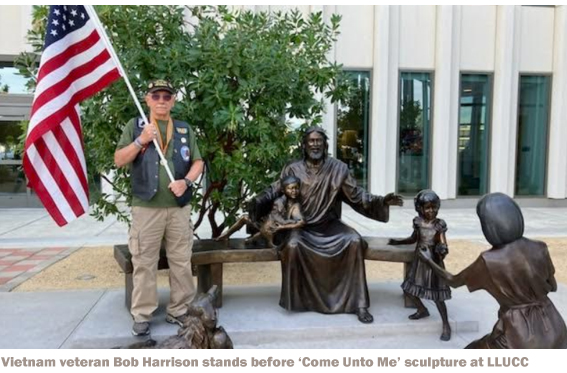
Our Member Spotlight features Vietnam veteran Robert L. “Bob” Harrison, whose story of service, resilience, and gratitude—and his desire to “pay it forward”—is both humbling and inspiring.
In Healthy Living, discover how longer walks improve heart health, why ultra-processed foods may harm every organ in your body, new predictive tools for dementia and other diseases, and a globally backed “Planetary Health Diet” that could prevent millions of early deaths each year. These insights reinforce that simple lifestyle choices—diet, activity, and awareness—can make a big difference in the years to come.
As always, we welcome your feedback! You can reach me at [email protected]. We hope you enjoy this special double issue, and we thank you for being part of our community—past, present, and future.
Deb Hickey

📄 Prefer to print and read?
👉 Download the PDF here.

- Gut Check: Can Boosting Gut Health Slow Prostate Cancer?
- The Secret Weapon Against Cancer? Your Own Two Feet
- Genetic Insights Could Change How Aggressive Prostate Cancer is Detected
- AI Could Deliver Same-Day Prostate Cancer Diagnoses
- AI Turns Hours into Minutes for Proton Treatment Planning
- Special Segment: 25 Years Later: Reflections, Gratitude & a Few Good Laughs
- Flashback: Depression and Prostate Cancer
- Member Spotlight: Vietnam Veteran, Proton Graduate, and Giving Heart
- Go the Extra Mile: Longer Walks Improve Heart Health
- Ultra-Processed Foods Threaten Every Major Organ, Global Review Warns
- New Blood Test May Predict Dementia Risk Decades in Advance
- What Will Your Health Look Like in 20 Years? AI Accurately Predicts Over 1,000 Diseases
- ‘Planetary Health Diet’ Could Prevent Millions of Early Deaths

Gut Check: Can Boosting Gut Health Slow Prostate Cancer?
A recent study led by Memorial Sloan Kettering Cancer Center sheds light on a fascinating connection between gut health and prostate cancer. In the first randomized, double-blind trial of its kind, researchers investigated whether a combination of a plant-based supplement and probiotics could help slow the progression of prostate cancer in men on active surveillance.
The study included 212 men with slow-growing prostate cancer and rising PSA levels. All received a phytochemical-rich supplement made from ginger, cranberry, pomegranate, turmeric, broccoli, and green tea. Half also received a probiotic–prebiotic blend with vitamin D, while the others received a placebo. The trial lasted 16 weeks.
Remarkable Results
- Men taking the supplement alone saw the rate of PSA rise drop from 19.6% to 6.2%.
- Men taking the supplement plus probiotics experienced an even more dramatic improvement, with PSA levels changing from a 21.7% rise to a 20% decrease—a reduction of nearly 42%.
- In addition to slowing PSA progression, men taking the supplement plus probiotics reported better urinary function and improved sexual health compared with the supplement-only group.
- Side effects were mild: about 5% experienced bloating, and 14% actually reported improvements in gut symptoms. Testosterone levels were unaffected.
MRI scans were reassuring: most men’s cancer stayed the same or even shrank, with only a few showing faster PSA progression, indicating the supplement didn’t mask the disease.
Why You Should Care
This is the first high-quality trial to show that dietary supplements combined with probiotics may positively impact prostate cancer progression. For men on active surveillance, this approach offers a potential low-risk strategy to support their health and possibly delay more aggressive treatments.
Researchers hope these findings will spark more investigation into the “gut-prostate connection,” as the gut microbiome appears to influence cancer growth through inflammation, immune function, and oxidative stress.
While longer-term follow-up is needed to determine the full impact on treatment decisions, this study provides strong evidence that men can make informed dietary choices that may support prostate health.

The Secret Weapon Against Cancer? Your Own Two Feet
Recent research makes it clear: staying active during cancer treatment isn’t just safe it can dramatically improve how patients feel and recover. An MD Anderson study on colon cancer patients shows that exercise helps reduce common side effects like fatigue, depression, and anxiety, while improving physical function and overall quality of life. It can also speed recovery after surgery and help patients maintain strength and independence. While the study focused on colon cancer, the benefits make sense for those undergoing treatment for other cancers as well. Even light activity is beneficial, and every movement counts: “Exercise isn’t optional—it’s an essential part of cancer care,” one physician emphasizes.
The benefits of exercise go beyond simply feeling better. Research suggests that regular activity can reduce inflammation, boost immune response, and even enhance the effectiveness of cancer treatments. Evidence shows that patients who stay active may tolerate chemotherapy or radiation more easily, and some studies hint at possible improvements in survival outcomes. The key is finding a routine that is safe, sustainable, and tailored to each person’s energy levels and treatment plan.
The American Society of Clinical Oncology (ASCO) now officially recommends incorporating exercise into cancer care. The general guideline is about 150 minutes per week of activity—such as walking, cycling, or swimming—combined with strength training to preserve muscle mass. Patients are encouraged to start slowly and gradually increase intensity, making movement manageable even on tough treatment days.
Even small changes can make a difference. Stretching, short walks, or light resistance exercises can help patients feel more in control, reduce stress, and support long-term recovery. With growing evidence and official guidelines backing it, exercise is no longer just a nice-to-have—it’s a proven, active tool in the fight against cancer.
Genetic Insights Could Change How Aggressive Prostate Cancer is Detected
A new international study led by the Center for Genetic Epidemiology at the Keck School of Medicine of USC has has found genetic changes that may greatly affect a man’s risk of aggressive prostate cancer—especially in men of African ancestry.
Researchers identified five key genes—ATM, BRCA2, CHEK2, HOXB13, and PALB2—where certain harmful variants sharply increase a man’s risk. Men carrying these disease-causing variants were found to be up to six times more likely to develop prostate cancer than those without them.
The risk becomes even more striking for men with a family history of prostate cancer and a high polygenic risk score (a measure of risk based on the combined effect of many small genetic variations across a person’s DNA). Compared with men at average risk, these individuals are:
- 7 times more likely to develop prostate cancer
- 18 times more likely to develop aggressive disease
- 34 times more likely to develop metastatic
cancer
These results highlight the growing importance of genetics in personalized screening and early detection. While more research is needed, the study could help doctors identify men who may benefit from earlier or closer monitoring, potentially improving outcomes for those at highest risk.
AI Could Deliver Same-Day Prostate Cancer Diagnoses
A new pilot trial in the UK is testing artificial intelligence (AI) to accelerate prostate cancer diagnosis, with results that could be available within a single day. Using AI to interpret MRI scans, radiologists can identify suspicious lesions in minutes—potentially shortening the waiting period for men who currently may wait a week or more for imaging and biopsy results.
The NHS trial aims to reduce patient anxiety, streamline hospital visits, and increase efficiency for overworked radiology teams. While still in early testing, the approach demonstrates how AI can complement clinicians in diagnosing prostate cancer faster and more reliably. This development is part of a broader shift in cancer care, where AI is being applied across the entire pathway—from faster diagnosis to more advanced treatment planning, including proton therapy, which we explore in the next article.
AI Turns Hours into Minutes for Proton Treatment Planning
Artificial intelligence is rapidly transforming proton therapy planning—making it faster, more accurate, and more personalized. A comprehensive review led by researchers from Mayo Clinic, the University of Georgia, and MD Anderson Cancer Center, shows how AI is improving nearly every step of the process. From producing sharper CT images and precisely mapping anatomy to automatically contouring tumors and organs at risk, AI is taking on some of the most time-consuming tasks.
As a result, treatment plans that once took hours or even days can now be generated in minutes. AI also improves consistency between clinicians and can predict how a patient’s anatomy may shift over time, enabling more adaptive plans that maintain precision throughout treatment.
Although still early in clinical use, AI-assisted proton therapy holds enormous potential: faster, more reliable planning could expand access, reduce costs, and improve outcomes by better protecting healthy tissue.

25 Years Later: Reflections, Gratitude & a Few Good Laughs
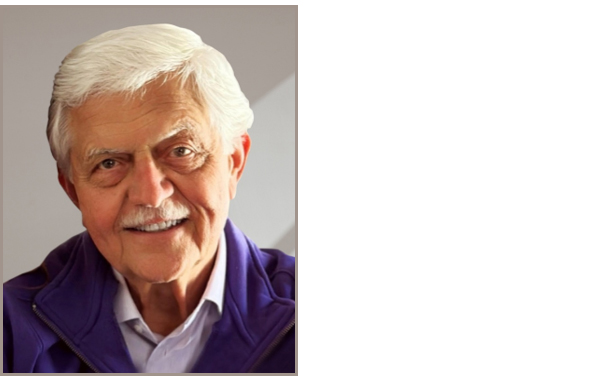
Written by Bob Marckini
It Seems Like Yesterday
You know the saying, “It feels like yesterday?” For me, it couldn’t be more true.
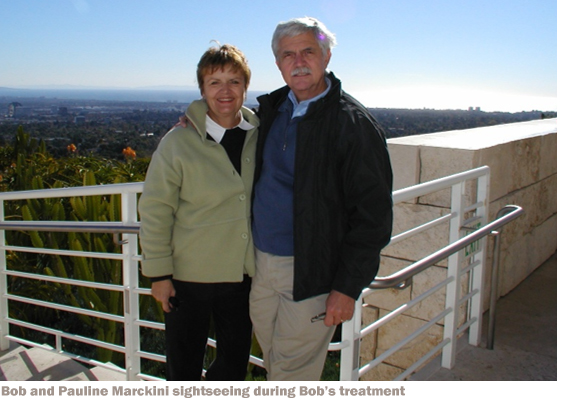
Twenty-five years ago, my wife Pauline and I were living what felt like a luxury vacation—warm sunshine every day, a spotless condo in a gated community, new friends, and more activities than most resorts offer. We played tennis, golfed, hiked beautiful mountains, swam daily in a gorgeous pool, and spent our free time sightseeing. Lunches were so good they made you wonder how many hours a day one could reasonably spend eating. We hated for it to end…
But here’s the twist: this wasn’t Cabo. Or Maui. Or the French Riviera. This was Loma Linda, CA, and I was receiving daily treatment for cancer.
Not many people can say their radiation therapy doubled as one of the best vacations of their lives—but I know many of you former proton therapy patients can relate. Oh—and about those lunches? My treatment time was early morning, but by midday we were usually back at the hospital cafeteria. Yes—hospital food. It was that good.
In the Beginning
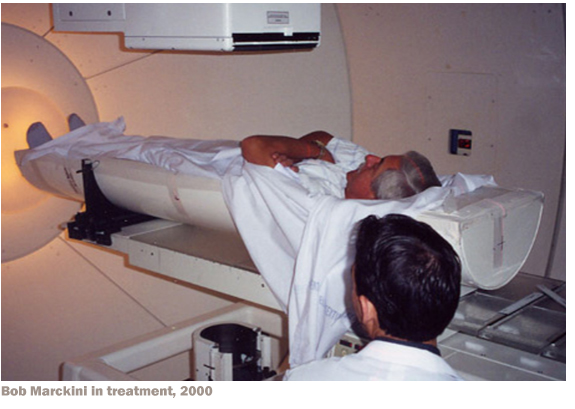
I began my 38-treatment protocol on Oct. 26, 2000, and wrapped up on Dec. 22. I even flew home to Boston for Thanksgiving, where friends surprised me with a “Black
Balloon Ceremony”: 18 deflated balloons for the treatments I’d finished, and 20 fully inflated ones for the treatments still ahead—along with my remaining, ahem, balloon-related experiences in Gantry 3. Only true proton alumni understand how deeply a balloon can influence your life.
Over-Planning and Under-Using
Being a natural planner, I shipped more boxes to California than some stores receive during the holiday rush. Clothing, toiletries, books, my guitar—everything I thought I’d need for eight weeks of boredom.
But, the downtime never came—the books remained shut; the guitar sat untouched. Pauline and I were simply too busy having fun—fun that eventually led to two books of our own.
Weekly Visits With My Doctor
I met with my doctor, Carl Rossi, once a week for an hour. I didn’t use the time to complain—I honestly had nothing to complain about. Instead, I peppered him with questions. I was fascinated by the technology and precision of proton therapy. Those conversations planted the seeds for my first book…and ultimately for something much larger.
The Golf Misadventure of 2000
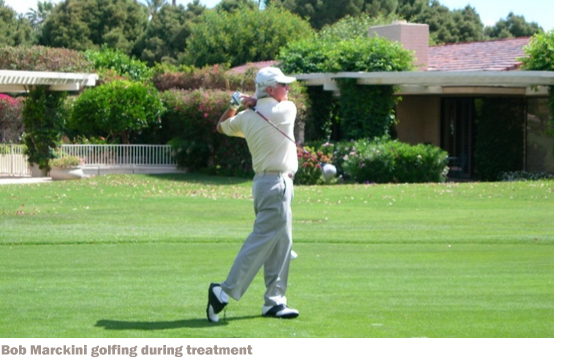
Golfing during treatment was usually manageable. Usually. About two-thirds of the way through treatment, I was dealing with urinary urgency—a normal and temporary result of radiotherapy on the prostate bed. So, I chose Oak Valley Golf Course in Beaumont, CA: trees everywhere. Excellent cover. What I didn’t anticipate was being paired with three women.
My hastily devised stealth strategy was to pretend I’d left a club or a glove behind so I could duck into the woods. But once we became friendly, they started waiting for me—which was kind…and a complete disaster for my plan. So I began deliberately firing balls into the woods—at angles no sane golfer would ever attempt—just to buy myself a little relief. To this day, those women probably still talk about the “strange guy who played like he was allergic to fairways.”
And of course, all of us LLUCC prostate cancer proton patients knew every public restroom in San Bernardino County better than most residents.
Wednesday Nights at LLUCC
The so-called “Wednesday Night Meetings” were the highlight of the week. Led by my soon-to-be good friends Gerry Troy and Dr. Lynn Martell, the meetings were informative, heartfelt, and frequently hilarious.
Newbies, graduates, and alumni shared stories, songs, poems, and advice—sometimes all in the same performance. Guest speakers taught us about nutrition, healthful living, proton technology, and the importance of community. Those meetings were truly the heartbeat of the LLUCC experience.
The Birth of the Brotherhood
As my treatment neared its end, it struck me: All these guys—my new friends—we shouldn’t lose touch! Not only had we formed friendships; we shared a life-changing experience! Plus, it would be valuable to compare notes on life after treatment while also staying connected to LLUCC. So, I typed up an email to six fellow patients and jokingly chose the subject line, “The Brotherhood of the Balloon.” The name stuck—immediately.
Word spread, and by the time Pauline and I boarded our flight home, our group had grown to 19 members. I remember telling her, “Six I can handle. Nineteen is a stretch! This is getting big!”
Little did I know it would grow to more than 10,000 members across all 50 states and 39 countries.
And soon, we had a clear mission:
- Support, educate, and stay connected with fellow patients/“BOB” members.
- Help others discover and understand proton therapy.
- Give back to the institution that saved our lives—especially by supporting research.
Honors, Surprises, and Gratitude
In 2013, during a visit to Loma Linda University Health, I was stunned to be invited to a board meeting where my dear friend and fellow BOB member, the late Chuck Kubicki, announced the creation of the Robert J. Marckini Endowed Chair for Proton Therapy Research. Chuck seeded it with a generous contribution—and continued to bless LLUH with many more gifts.
Today, the Marckini Chair exceeds $5 million, and total BOB member support for additional LLUH programs has reached nearly $20 million. Who could have imagined that a small group of patients would someday have such a profound impact?
Growing Pains and Growing Purpose
Our growth was amazing—and overwhelming. Emails, phone calls, newsletters, a brand new website…at times it felt like more than a full-time job. Thanks, especially in the early days, to Lynn Martell, LLUH stepped in with support and infrastructure, making it possible to serve patients around the world.
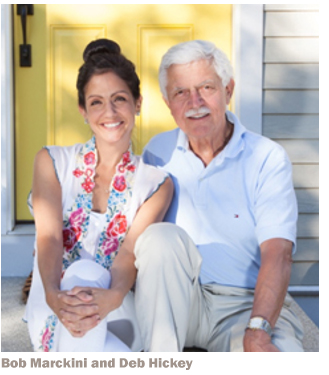
And then came my secret weapon: my daughter, Deb Hickey. A former marketing director for a search engine marketing company, she brought energy, talent, and organizational superpowers. She rebuilt our website and patient resources, overhauled presentations, handled all administrative responsibilities, and more. Together, we shaped the BOB into what it is today.
What’s Changed Since 2000?
Well…everything and nothing. Twenty-five years ago, I heard the words no man wants to hear: “You have prostate cancer.” Because of my older brother Gene’s experience with surgery, I knew exactly what I didn’t want to do. Through a ton of research—and the grace of God—I found proton therapy at LLUCC, then the world’s only hospital-based proton center, founded by visionary pioneer Dr. James Slater. And the rest is history.
Since then, our organization has grown beyond anything we imagined. Proton centers multiplied. Technology advanced. Research exploded.
And me? I’m 25 years older—but healthier than when I first arrived in Loma Linda. Treatment transformed my diet and lifestyle: I’ve cut back on red meat and animal fats, eat far more fruits and vegetables, and developed a passion for vegetarian soups. I swim about three miles a week—150 miles a year—and mix in other exercise routines. I’m about 12 pounds lighter than I was back then, and my primary care physician tells me I’m his healthiest patient. I haven’t seen my urologist in 25 years; my PCP orders my PSAs and performs my annual DREs.
Life Is Good
I’m grateful. I’m healthy. My Christian faith is stronger than ever. I’m amazed by what our proton community has accomplished together.
I’d be remiss not to acknowledge some of the key LLUH leaders Deb and I have had the privilege of working with over the years: Dr. Jerry Slater (Chairman, Radiation Medicine, LLUH, carrying on his father’s vision), Dr. Richard Hart (President), Rachelle Bussell (Sr. V.P., Advancement), Dr. Mark Reeves (Cancer Center Director), and Judy Chatigny (Executive Director, Cancer Center), and many more too numerous to mention
Here’s to all of you—fellow travelers on this journey, old friends and new. If the past 25 years have taught me anything, it’s that hope is powerful, humor heals, and the lessons and friendships from LLUCC—or wherever your treatment took place—stay with you for life.
All in all, life is good.

We’ve been publishing BOB Tales for 25 years, sharing thousands of articles—many of which our newer members haven’t seen, and longtime members may have forgotten or would appreciate revisiting. That’s why we regularly reprint articles from past issues that we believe are still relevant and carry an important message. The following is an article from our August 2014 issue.
Depression and Prostate Cancer
A study published in the Journal of Clinical Oncology reported that men with intermediate- or high-risk prostate cancer who had been diagnosed with depression experienced poorer overall outcomes. Of the 41,275 men diagnosed with clinically localized prostate cancer from 2004 to 2007, 1,894 had a depressive disorder in the two years before their cancer diagnosis.
Men with depression were more likely to receive expectant management (active surveillance) for low-, intermediate-, and high-risk disease. They were also less likely to undergo definitive therapy (surgery or radiation) across all risk groups. Compared with non-depressed men, those with depression were 16 percent, 25 percent, and 86 percent more likely to die from low-, intermediate-, and high-risk disease, respectively.
BOB Comment—
This study may be from 2014, but its message is more relevant than ever. Research continues to show that emotional health plays a big role in how men navigate prostate cancer. Depression can make it harder to choose a treatment, stay engaged in care, or manage side effects, and it can even influence follow-up, medication adherence, lifestyle habits, and overall quality of life. The encouraging news is that doctors now recognize this, and support for patients has grown tremendously. If you’re struggling—mentally or emotionally—you’re not alone, and help is available. Addressing emotional health early isn’t just about feeling better—it can directly support better cancer outcomes.

Vietnam Veteran, Proton Graduate, and Giving Heart
If you spend a few minutes with BOB member Robert L. “Bob” Harrison, one thing becomes clear: this is a man who has lived a life of service. A Vietnam-era veteran who worked in Top Secret Crypto operations, Bob has devoted decades to honoring and supporting fellow servicemen. Today, he is vice president of the Vietnam War Memorial in Westminster, CA, active in Vietnam Veterans of America Chapter 1024, and deeply involved in projects that preserve history and promote healing—including the restoration of a rescue helicopter now taken to schools, colleges, and veteran events.
A Conversation That Sparked a Connection
Deb Hickey recently called Bob to thank him for a gift he made supporting LLUCC’s Stronger Together campaign—which, as noted in previous newsletters, is an ambitious effort to raise $300 million for cancer research, innovative treatments, pediatric care, and more. The campaign’s goal has since grown to $310 million, reflecting both its momentum, thanks to donors like Bob, and its expanding impact.
Bob spoke warmly about his proton therapy experience and his desire to give back: “Because of the treatment I received, I feel compelled to pay it forward,” he said.
Bob’s Prostate Cancer Journey
Bob’s prostate cancer story began in 2015, when his PSA first started rising. He followed an active surveillance plan for several years, but when his PSA suddenly jumped to 18.5, fear and dread gripped him. “I thought maybe this was the end for me,” he said.
Bob received compassionate care at the VA Hospital in Long Beach, where an MRI-guided biopsy confirmed the need to move beyond active surveillance. Like many of our members, he threw himself into research, reading everything he could get his hands on—Invasion of the Prostate Snatchers, Anti-Cancer: A New Way of Life, The China Study, and, “of course, You Can Beat Prostate Cancer,” Bob said.
As Bob learned more about proton therapy—its non-invasive approach and minimal side effects—his confidence grew. Remarkably, his VA doctor encouraged him to move forward, and from that moment on, he never looked back.
A Healing Experience at Loma Linda
Bob completed proton therapy at LLUCC on Nov. 29, 2023. “And although the treatment itself was nearly seamless, what stood out most from my experience was the people,” Bob said. He then spoke, with clear and deep appreciation for the staff who walked him through every step:
“There was nurse Karen, whose kindness eased my every concern; Dr. Bush who patiently answered all my questions; Stacy on Level B, whose warm smile greeted me daily; Becky, Juan, Louis, and Derek, who created a comfortable atmosphere in the gantry; Marijke, whose encouragement and spiritual grounding made a lasting impact on me; Andrew, who offered guidance and support; Gevina, who kindly coordinated healing activities for all the patients; and Sandi and Jane, who went the extra mile to support patient wellbeing.”
During his treatment, Bob also joined patient-fellowship activities, including a very special Veterans Day photo shoot where he proudly wore his military uniform. “I also wore my old BOB t-shirt!” Bob said. “That brought humor and camaraderie to everyone!”
Life After Treatment
Bob’s post-treatment journey hasn’t been without challenges. In early 2024 he suffered a skull fracture, then a brain bleed that required surgery. Months later, he experienced a cardiac arrest and underwent multiple heart procedures, including the placement of a defibrillator and pacemaker. Despite it all, he says he feels healthy—and, true to his character, he remains grateful, optimistic, and forward-looking.
Bob continues his advocacy for proton therapy and participates in ZERO Prostate Cancer events. He also remains a vibrant part of the Vietnamese community in Orange County and is helping develop a new Vietnamese Veterans sculpture there.
Bob’s story is one of courage, service, and resilience. We’re honored to have him in the BOB community—and grateful for the example he sets for all who follow in his path.

Honoring Those Who Make a Difference
Following our Member Spotlight on Bob Harrison, it’s fitting to highlight another story of giving and gratitude—this one from the staff side. Juan Ortiz, a treatment assistant at Loma Linda University Cancer Center, has been recognized nearly 30 times through the hospital’s Healing Hands initiative. This program allows patients and their families to express their gratitude through a philanthropic gift in honor of someone who made a meaningful difference during their care. Each recognition not only honors the staff member’s dedication but also supports services that enhance patient care at LLU Health.
Patients consistently praise Juan for his compassion, humor, and calming presence. One wrote, Juan used humor every day to make patients feel comfortable in an otherwise uncomfortable situation. Thanks, buddy! Another shared, He puts patients at ease with jokes, but his knowledge and care are what truly make him exceptional. From attending optional support groups to ensuring treatment schedules run smoothly, Juan’s commitment goes above and beyond—and the impact resonates deeply with those he serves.
We know that not all our members were treated at LLUCC, but at one time, they all were: LLUCC was the first hospital‑based proton therapy center in the world—a pioneering achievement that helped take proton treatment out of research labs and into mainstream medical care. All the other proton centers may not exist today without the pioneering work of the late Dr. James Slater at LLUH, whose vision helped make hospital-based proton therapy a reality.
While Juan’s story may not involve a new treatment or clinical breakthrough, it exemplifies philanthropy in action: small acts of gratitude that collectively tell a story of healing, hope, and human connection.
As we approach the end of the year, many of us reflect on our blessings and the causes closest to our hearts. In our October issue of BOB Tales, Dr. Richard Hart, president of Loma Linda University Health, shared an inspiring vision for the cancer center: uniting four of the most advanced cancer therapies—theranostics, CAR T-cell therapy, boron neutron capture therapy, and FLASH proton therapy—under one roof. This bold initiative represents the next era of cancer care, combining innovation, precision, and compassionate, whole-person treatment.
Your year-end gift can help sustain this legacy of innovation, expand patient access, and train the next generation of physicians and researchers—ensuring that patients today and tomorrow benefit from life-changing care. Just as patients honor staff like Juan through Healing Hands, your generosity directly advances the mission of LLUCC and brings hope to countless lives.
Giving Options
- Online: Donate here. From the pull-down menu, choose where you’d like to direct your gift — 1) Cancer Center Vision/Stronger Together; 2) Proton Research through the James M. Slater Chair; 3) Proton Research through the Robert J. Marckini Chair; or 4) Other (specify any area you’d like your gift directed in the space provided).
- By Check: Make your check out to “LLUCC.” Specify where you’d like to direct your gift in the memo line — 1) Stronger Together 2) Slater Chair, 3) Marckini Chair, or 4) write “unrestricted” so LLUH can use it where it’s needed most. Mail your check to: LLUH, Office of Philanthropy P.O. Box 2000, Loma Linda, CA 92354.
- By Phone: Call Regina Joseph at 909-558-5010.
- Planned Giving: You can also include LLUCC in your estate plans, creating a lasting legacy that will help advance cancer research and patient care for generations to come. For more information or to schedule a confidential consultation, please contact the planned giving office at 909-558-4553 or [email protected].

Go the Extra Mile: Longer Walks Improve Heart Health
A new study highlights that not all walks are created equal when it comes to heart health. Researchers found that longer, continuous walks—think 30 minutes or more—are more effective at reducing cardiovascular risk than multiple short strolls throughout the day, even when total daily steps are the same. The benefits include improved blood pressure, heart function, and overall cardiovascular fitness.
The findings emphasize quality over quantity: sustained activity helps the heart and circulation in ways brief bouts can’t fully replicate. Longer bouts keep the heart and lungs in a steady aerobic “cruise” mode, improving oxygen efficiency and metabolic function, while maintaining higher blood flow that strengthens blood vessels. While short walks are still better than no movement, committing to longer sessions may offer the most protection for heart health.
Ultra-Processed Foods Threaten Every Major Organ, Global Review Warns
The world’s largest analysis of research on the dangers of ultra-processed foods (UPFs) finds they can harm every major organ system and may pose serious risks to global health. Drawing on more than 100 long-term studies, the review highlights strong connections between high UPF intake and chronic conditions such as Type 2 diabetes, heart disease, depression, and even premature death.
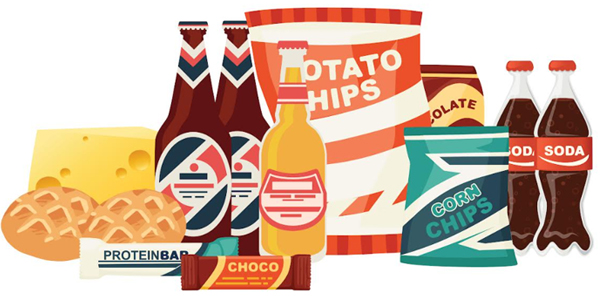
UPFs include highly industrialized products like soft drinks, packaged snacks, instant noodles, ready meals, and many breakfast cereals. What makes them “ultra” is the heavy use of additives, artificial flavors, emulsifiers, sweeteners, and other industrial processing designed to make them hyper-palatable and shelf-stable—often at the expense of nutrients.
These products frequently replace healthier, minimally processed foods in our diets, and their additives and processing may contribute to biological stress and disease. Taken together, the findings add to growing evidence that our bodies may not be well suited to frequent consumption of ultra-processed foods—and they strengthen the case for urgent public health action. Choosing whole, minimally processed foods instead can help protect long-term health and reduce the risk of chronic disease.
New Blood Test May Predict Dementia Risk Decades in Advance
Advances in predicting future health risks continue to emerge, offering new opportunities for early intervention and prevention. A recent study shows that a simple blood test measuring cardiac troponin—a protein released from damaged heart muscle—can predict dementia risk up to 25 years before symptoms appear.
Researchers followed nearly 6,000 middle-aged adults over two decades and found that higher troponin levels were linked to faster cognitive decline, greater brain shrinkage, and an increased likelihood of developing dementia. Like other emerging predictive tools, this test highlights the potential for early detection and preventive strategies long before disease develops.
For those identified as higher risk, research suggests that addressing modifiable factors—such as staying physically active, eating a healthful diet, controlling blood pressure and cholesterol, avoiding smoking, and remaining socially and mentally engaged—may help slow cognitive decline or delay the onset of dementia. While nothing guarantees prevention, combining early detection with proactive lifestyle choices offers a promising strategy to support long-term brain health.
What Will Your Health Look Like in 20 Years? AI Accurately Predicts Over 1,000 Diseases
A new artificial intelligence system called Delphi‑2M can predict a person’s risk of developing more than 1,000 diseases up to 20 years in the future, using medical records and lifestyle information. The model was trained on data from 400,000 participants in the UK Biobank and considers factors such as age, sex, body mass index, alcohol and tobacco use, and past diagnoses.
When tested, Delphi‑2M produced risk estimates that matched or exceeded the accuracy of existing tools that predict one disease at a time—including models based on biomarkers. It was particularly reliable for conditions with more predictable progression patterns, like certain types of cancer. The system was also validated using health records from 1.9 million people in Denmark, where it performed nearly as well.
While promising, the model does have some limitations. For example, the UK Biobank data captured only first occurrences of diseases, not repeated episodes, and additional testing in different populations and health systems will be necessary. Researchers are expanding validation with international datasets to further improve accuracy and applicability.
Delphi‑2M represents a major step forward in predicting multiple diseases simultaneously and could one day help guide preventive care and personalized health planning.
BOB Comment—
This made us stop and think. If you could see your personal health risks 10 or 20 years down the road, would you want that information? We probably would—because if something concerning showed up, it might motivate changes now that could prevent one or more of those diseases later. We’ve seen again and again that small adjustments in lifestyle can have a big impact over time. A model like this isn’t a crystal ball, but it could be a powerful nudge toward better habits and earlier preventive care.

‘Planetary Health Diet’ Could Prevent Millions of Early Deaths
A team of 70 international experts has released a major new report examining how certain eating patterns affect long-term health and disease risk—and the findings are striking. They concluded that a balanced, mostly plant-based diet (with moderate portions of meat, dairy, eggs, and fish) could prevent as many as 15 million early deaths each year, based on outcomes such as heart disease, stroke, diabetes, cancer, and neurodegenerative conditions.
The recommended diet isn’t restrictive or extreme. It simply encourages more of the foods we already know support good health—fruits, vegetables, nuts, legumes, and whole grains—while keeping red meat and highly processed foods to a minimum. The authors emphasize that the approach is flexible and can be adapted to personal preferences and cultural traditions.
What stands out is that these recommendations are strongly supported by decades of research: diets rich in whole, unprocessed foods consistently promote long-term health, and even relatively small dietary adjustments can have meaningful effects. Improving eating habits after medical treatment has been shown to help support energy levels, healthy weight, and overall wellness in the years that follow.
Overall, the report reinforces a key principle in nutrition science—thoughtful, balanced eating is one of the most effective ways to protect health and reduce the risk of chronic disease as we age.

You Can Beat Prostate Cancer: And You Don't Need Surgery to Do It - Second Edition
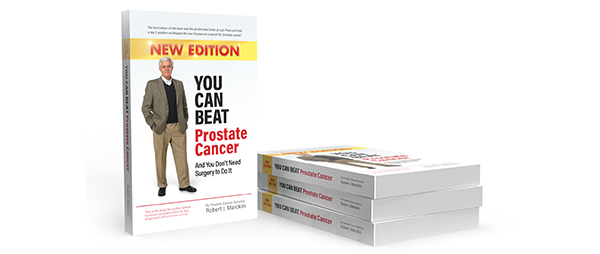
As of this writing, Bob’s second edition is still holding the No. 2 spot on Amazon—out of more than 7,000 books—on a search for “prostate cancer.” The book has 332 reviews and an average rating of five stars.
Beyond the Amazon stats, what truly matters is the feedback we hear from readers. Every day, men share how Bob’s book gave them the confidence to make one of life’s most important decisions. Some call it a “lifesaver,” others say it was the one resource that made proton therapy the clear choice. Hearing their stories reminds us why Bob wrote it in the first place.
Real Words from Real Readers
The following is a recent Amazon review.

Great book!
I was diagnosed with prostate cancer and conducted significant research on what treatment may be the best for me. I became familiar with this book early in my diagnosis and it informed me as to the direction I might take. Upon investigating several research studies, including regular photon radiation, ADT, and prostatectomy, I made the decision that proton beam therapy would be the best for me. I found this book to be extremely informative. While the author is not, nor does he claim to be, a physician, the conclusions he develops were in agreement with my urologist and radiation oncologist. I subsequently had proton beam therapy at Mayo Clinic in Phoenix. I am so grateful to the author for his wise observations on the various options open to victims of prostate cancer. I can’t recommend this book enough. Many thanks!
Did Bob’s book help you?
When diagnosed with cancer, 89% turn to the internet for answers—40% on the very same day. Many end up on Amazon, where reviews carry serious weight. If Bob’s book helped you, please take a moment to write a review. Your words could help someone else find clarity and hope. Thank you.

Last Month’s Brain Teaser
Say that I have only one boomerang. Originally, I had more, but I gave half of them plus half a boomerang to my little brother. That made him mad, so I gave him half of what I had left, plus half a boomerang more. How many boomerangs did I start out with
Answer: You started out with 7 boomerangs.
Here’s how to figure it out without using algebra:
Think backwards and undo each gift. You ended with 1 boomerang. Before the second gift, you had given away “half of what I had left, plus half a boomerang.” So, undo that: put the half boomerang back—now you have 1 + 0.5 = 1.5. That 1.5 is exactly the half that remained after giving away half, so the whole number you had before the second gift must have been twice 1.5 or 3. Now undo the first gift the same way. Put the half boomerang back: 3+ 0.5 = 3.5. That 3.5 was the half that remained after the first gift, so the original number must have been twice that, or 7.
To check this, go forward: Start with 7 and give away half of that (3.5) plus a half (0.5) which equals 4, leaving you with 3. Next give half of the 3 away (1.5) plus half a boomerang (0.5), which leaves 1.
Winner: Congratulations to our November 2025 Brain Teaser winner, John Rook from Roseburg, OR!
John completed six weeks of proton therapy at LLUCC early this year, followed by four months of hormone therapy. He shared that his proton experience was “as good or better than what Bob describes in the book” and that he would highly recommend it. The hormone therapy, he joked, was “not as much fun,” and he’s still waiting for some of the effects to wear off.
John is looking forward to continued recovery and “great PSA numbers in 2026.”
New Brain Teaser
A man lives on the 10th floor of a building. Every day he takes the elevator down to the lobby to leave the building. When he returns, he rides the elevator to the 7th floor and walks up the stairs to his apartment on the 10th. Why?
Send your answer to [email protected] for a chance to win a signed copy of Bob Marckini’s second edition book, You Can Beat Prostate Cancer.
Funnies…
Straight to the Doghouse
Frank and his wife, Ann, attended a Marriage Weekend. The instructor addressed the couples: “It is essential that husbands and wives know the things that are important to each other.” Turning to the men, he asked, “Can you name and describe your wife’s favorite flower?”
Frank leaned over, touched Ann’s arm gently, and whispered, “Gold Medal All-Purpose, isn’t it?”
Senior Driving
As a senior citizen was driving down the highway, his cell phone rang. Answering, he heard his wife’s voice urgently warning him, “Vernon! I just heard on the news that there’s a car going the wrong way on Interstate 95. Please be careful!”
“You’re not kidding!” Vernon yelled. “But it’s not just one car—it’s hundreds of them!”
Two Old Guys
As I was sitting at the bar in our golf course grill room, I pointed to two old guys sitting across the bar from us. I said to my friend with a smirk on my face, “That’s us in ten years.”
He said, “That’s a mirror, dummy!”
Through a Grandchild’s Eyes
- My young grandson called the other day to wish me a happy birthday. He asked how old I was, and I told him, “I’m 80.” He was quiet for a moment, and then asked, “Did you start at one?”
- When my grandson Tommy asked me how old I was, I teasingly replied, “I’m not sure.” Tommy advised, “Look in your underwear, Grandpa. Mine says I’m 4 to 6.”
- “Give me a sentence about a public servant,” said the teacher. The little girl wrote: The fireman came down the ladder pregnant. The teacher took her aside to correct her. “Don’t you know what pregnant means?” she asked. “Sure,” said the girl confidently. “It means carrying a child.”

5 Fun Facts About NYE You Probably Don’t Know
- Times Square Ball Drop: The first Times Square ball drop in 1907 was just a small, 700‑pound iron-and-wood sphere with a few light bulbs. Today, it’s a 12‑foot-wide, 11,875‑pound crystal spectacle with 2,688 Waterford crystals and 32,256 LEDs, sparkling as it descends from One Times Square.
- Dropping Other Objects: In many U.S. towns, New Year’s “drops” go beyond the classic ball: giant pickles, pierogies, fish, or even rubbery mascots have plummeted to mark the countdown. Each town’s quirky drop often celebrates local culture—it’s a way to count down with humor and hometown pride.
- 12 Grapes for 12 Months of Luck: In Spain and parts of Latin America, people eat one grape at each stroke of midnight—one grape per month of the new year. Finish all 12 in time, and you’re said to be guaranteed luck, prosperity, and good vibes for the coming year. Mess up? Legend says it could bring bad luck…
- Noise to Scare Away Evil Spirits: Fireworks, bells, horns, or just general ruckus aren’t just for fun—they’re ancient traditions meant to chase away evil spirits or bad luck as the year turns. From Asia to Europe to the Americas, ringing in the new year with loud celebrations has been a global ritual for centuries.
- New Year’s Resolutions: Modern resolutions may seem like a personal goal-setting exercise, but the practice dates back thousands of years. Ancient Babylonians made yearly promises to their gods, often pledging to repay debts or return borrowed items, hoping for favor in the coming year. So, when you write your resolutions today, you’re continuing a tradition that’s been around for millennia.
Predictions for 2026: Which Could Come True?
Back in 2015, Forbes imagined what life might look like in 2026. Some predictions were wild, some eerily prescient—and a few still sound like sci-fi. Here are a few of the most intriguing ones:
- Personal Jetpacks: The dream of flying over traffic like James Bond remains alive… just don’t quit your day job yet. Fun fact: prototype jetpacks exist, but safe, everyday commuting is still decades away.
- Virtual Reality Sports: Watching football from your living room while feeling like you’re on the field? With VR headsets improving every year, immersive sports experiences are closer than ever. Your recliner might finally become a stadium seat.
- Retina-Based Payments: Pay with your eyeball? Biometric payments are real, but retina scanning at the grocery store is not quite here. Fingerprints and Face ID are still the practical champions.
- Implanted Memory Chips: Remember everything, never forget a thing—sounds tempting, right? While brain-computer interfaces are advancing, full “memory implants” remain firmly in sci-fi territory.
- Home Robots Everywhere: From vacuuming to cooking, your future butler might be robotic. Robotic helpers are already on the rise, but the fully sentient, autonomous home assistant is still a work in progress.
- Augmented Reality Glasses: Imagine specs that display extra info right on the lenses—prices, directions, reviews… Companies and researchers are testing AR glasses like this, but seamless, everyday use is still a few years away.
Some predictions are closer than we think. Others—not so much. The fun is imagining what could be just around the corner—and appreciating how far technology has already come since 2015.
Looking a decade or two beyond 2026, the surprises keep coming. Experts are already imagining smarter AI, self-driving cars, and even asteroids making cameo appearances in our skies. Mostly exciting, mostly safe, and a good reminder that the future is full of possibilities—some thrilling, some just a little unpredictable.

“The Rest of the Story”
For decades, Paul Harvey captivated millions of listeners with his signature segment, The Rest of the Story. But what made it so special wasn’t just the facts he shared—it was the way he told them. Harvey’s goal was simple, yet profound: to surprise, to enlighten, and to make people think.
Each story began with a familiar figure or event, only to reveal an unexpected twist or hidden truth at the end—the part everyone had been missing. In doing so, he reminded listeners that history and life are rarely as simple as they seem. There’s always more beneath the surface, and often, the “rest of the story” gives perspective, hope, or a fresh way to see the world.
Listeners loved the segment not just for entertainment, but for its gentle moral lessons and the sense that there’s always something to learn—no matter your age or experience. People would often hang on every word, only to be rewarded with that moment of revelation, and then, the signature sign-off: “And now you know…the rest of the story.”
As we step into a new year, there’s a little Paul Harvey in all of us: the curiosity to uncover what’s overlooked, the patience to listen, and the appreciation that every ending can hold a new beginning.
And if you want to hear a perfect example of Harvey’s magic, listen to his telling of how It’s a Wonderful Life almost never saw the light of day. The story behind the film—its rejections, near-failure, and accidental rise to becoming an American classic—is a reminder that sometimes the things that shape us most are the ones that almost didn’t happen at all. It’s a fitting reflection as we head into a new year, when unexpected twists can turn into the “greatest gift” of all.
May this holiday season bring you happiness, the New Year bring new hope, and may your PSAs stay low all year long… and well beyond.
Bob Marckini and Deb Hickey
Want a printable version of this issue?
👉 Download the PDF here.
NO MEDICAL ADVICE: Material appearing here represents opinions offered by non-medically trained laypersons. Comments shown here should NEVER be interpreted as specific medical advice and must be used only as background information when consulting with a qualified medical professional.