
Dear Members (a note from Deb Hickey):
Back in April, my family took a trip together to the Bahamas. What once would have simply been “the four of us” has now grown to include my husband, my daughter, and even one of my daughter’s friends. And somewhere between the dinners, the laughter, the old stories, and the chaos of traveling with a larger group, I found myself thinking about the small family of four that shaped so much of who I am.
As I’ve gotten older, I’ve realized more and more that the people who shape us most are often the ones who quietly cared for us in ordinary ways for years without ever thinking twice about it. And as I was putting together this month’s newsletter — filled with stories about treatment, caregiving, wellness, and helping others through difficult moments — I kept coming back to that idea.
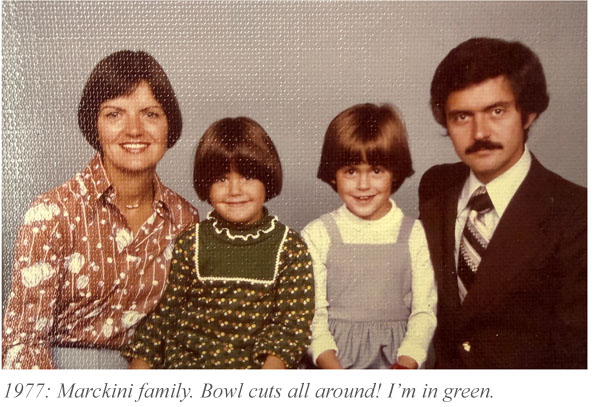
My father was the steady heartbeat of our family. He was the safe place, the problem solver, the “I can fix that” person, and the provider who somehow made us feel like we would never want for anything. He carried the weight of everything without ever making us feel the heaviness of it. Yet somehow, he always had time for his two daughters.
My sister and I still talk about the elaborate stories he created just for us. The one we remember most is the adventures of “Sookie and Dookie Maroo.” We’d sail through terrifying storms on the open ocean, coming “this close” to crashing into the lighthouse and rocks while Dad used his hands dramatically to show us exactly how close we were.
And somewhere out in the dark fog came the deep, haunting blast of the lighthouse foghorn: “Bwaaaaahhhhh… bwaaaaahhhhh… bwaaaaahhhhh…” echoing through the night air while we listened completely mesmerized. Looking back now, those stories feel almost magical.
I still can’t smile without thinking about his signature dance. You might know it. It’s called the “white man’s overbite.” I’m pretty sure that’s still how he dances. And then there were the after-jog chases. He’d come bursting through the door absolutely drenched in sweat, immediately chasing my sister and me around the house trying to trap us in giant sweaty hugs while I screamed bloody murder because I have never tolerated anything remotely gross.
Looking back now, I also realize just how lucky we were. We had a boat growing up, and back then I honestly thought every family spent weekends exploring Cuttyhunk, Martha’s Vineyard, and Nantucket, running wild with other boating families all summer long. It never occurred to me how special it all was because, as a child, it simply felt normal. But now I look back and think: wow… what a childhood we had. Some of my happiest memories are from those weekends — the four of us playing games, laughing hard, falling asleep while my dad sang old-folk style children’s songs to us.
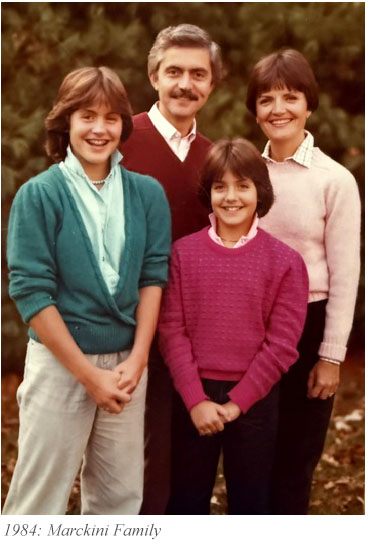
My mother: She was the one who wrapped her arms around me after the kids at the bus began picking on me. She was the one who tucked me into bed every single night and made sure I grew up believing I was smart, talented, deeply loved, and capable. To me, she was the epitome of beautiful. Her smile truly did light up every room she walked into, and the gentle, tender way she approached motherhood somehow made life feel softer.
She made me scrambled eggs for dinner in bed when I was sick. She also changed my Big Bird bedsheets and remade my bed nearly every night. And then she’d ask how it felt to crawl into a nice clean bed and I’d think: Wonderful. It feels wonderful.
Now my mom couldn’t help me with math like Dad, but that never stopped her from helping me however she could. One example was during the early years of CCD (Confraternity of Christian Doctrine) class, when I had to draw Jesus for some homework assignment.
Looking back, Jesus ended up looking like a little girl wearing a cape with tennis balls for feet, but at the time she had absolutely saved me. More important, she made sure that when I needed help, she’d be there, even if she didn’t quite know what she was doing either. That thought — along with those tennis ball feet — makes me smile. Funny how love can make even the smallest things feel important enough to remember forever.
And then there’s my sister. Even growing up, despite the teasing and occasional fighting, we were always incredibly close. I still laugh remembering how she used to turn our Barbies into aliens while I begged her to “play normal!” We drifted apart somewhat during college and our younger adult years, but over time we found our way back to each other. Today, she’s my best friend and one of my greatest sources of comfort and understanding. I also know I can call her at 4am if I can’t sleep. Because I have. And I will again.

I know many of you reading this understand exactly what I mean. Family is not always perfect. Relationships change over time. Life gets busy. People drift apart and reconnect. But when you’re fortunate enough to have people who know your history, your stories, your fears, your quirks, and still love you anyway — that’s something very special.

This month’s issue covers several important developments shaping the future of prostate cancer care and proton therapy. In our News Report section, we look at a newly proposed class action settlement involving Anthem Insurance and proton therapy coverage denials — part of a growing series of legal cases that many believe may slowly be shifting the insurance landscape for future proton patients. We also highlight new research on FLASH proton therapy. Additional stories explore advances in personalized prostate cancer care, AI tools designed to help radiologists interpret prostate MRI scans more efficiently, the critical importance of PSA doubling time after treatment, and a major new clinical trial for advanced prostate cancer.
For the final article in our News Report section, we were inspired to write about acupuncture as a natural option for reducing hormone therapy-related hot flashes after hearing from one of our members. Inspired by our May article, “Common Drug Linked to Fewer Hot Flashes During Hormone Therapy,” he wrote to share his experience with acupuncture, reporting a significant reduction in hot flashes while on hormone therapy.
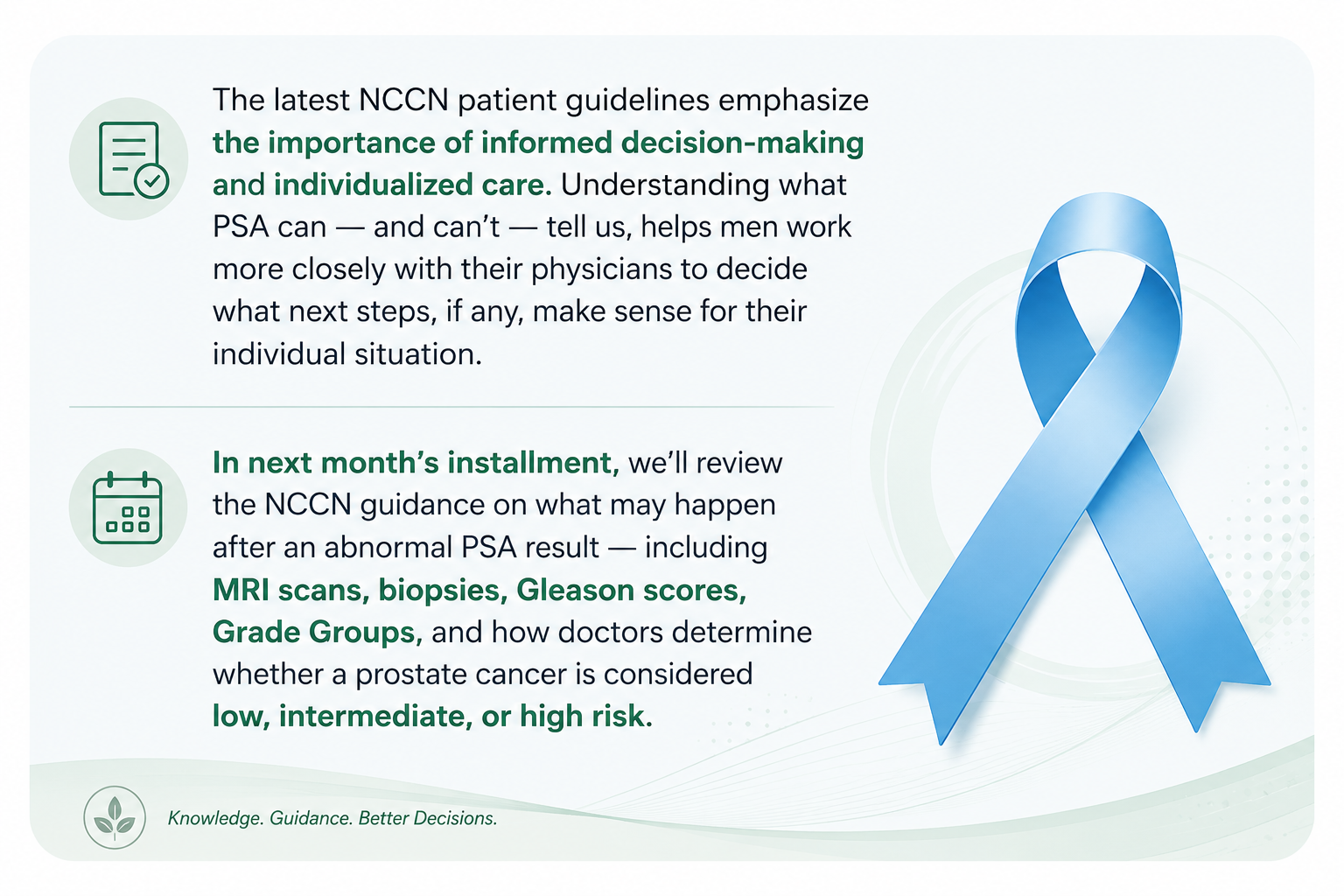
In a Special Segment this month, we begin a four-part educational series based on the latest NCCN Guidelines for Patients — evidence-based resources designed to help patients and families better understand today’s prostate cancer screening, diagnosis, and treatment landscape. In Part 1, we review the basics of PSA screening, early detection, common symptoms, and how physicians evaluate elevated PSA results. Our goal is to help simplify many of the terms and concepts that can often feel overwhelming after a prostate cancer diagnosis.
We know many of you are already very familiar with this information, but we still encourage you to read through it. You may be surprised by some of the latest recommendations and evolving guidance — and perhaps more important, we hope you’ll share it with loved ones. Trust us, many things that longtime patients and survivors assume “everyone knows” simply are not common knowledge.
Our Flashback article revisits an important topic many prostate cancer survivors may not realize: special precautions surrounding colonoscopies after prostate radiation therapy.
In Healthy Living, we explore several topics connected to brain health and long-term wellness, including new research linking egg consumption to a lower risk of Alzheimer’s disease, a study suggesting moderate coffee consumption may help reduce anxiety and stress-related disorders, and a practical look at the potential downsides of frequent carbonated beverage consumption. And there’s much more!
We truly welcome your feedback! Whether you simply relate to something we’ve written about or feel you may have information or personal experiences that could be valuable to other members, please share. You can reach me at [email protected].
We hope you enjoy this issue, and we thank you for being part of the BOB community.
To all the fathers, grandfathers, stepfathers, caregivers, and father figures reading this — Happy Father’s Day.
Deb Hickey

📄 Prefer to print and read?
👉 Download the PDF here.

- Insurance Coverage Lawsuits May Be Shifting Proton Therapy Landscape
- FLASH Proton Therapy Moves Closer to Reality
- Expert Highlights New Era of Prostate Cancer Care
- AI Tool Designed to Speed Up Prostate Cancer Diagnosis
- When PSA Starts Rising Again, Speed Matters
- Promising New Strategy for Advanced Prostate Cancer
- Can Acupuncture Help Hot Flashes?
- Special Segment: Making Sense of Prostate Cancer
- Flashback: Be Careful with Colonoscopies After Radiotherapy
- Egg Consumption Linked to Lower Alzheimer’s Risk
- Drinking Coffee Regularly May ‘Significantly’ Reduce Anxiety
- “Liquid Death?” The Truth About Fizzy Drinks

Insurance Coverage Lawsuits May Be Shifting Proton Therapy Landscape
A newly proposed class action settlement involving Anthem Insurance is drawing attention within the proton therapy community and may signal a continuing shift in how major insurers handle proton therapy coverage claims.
The case, Taylor v. Anthem Insurance Companies, involves approximately 142 prostate cancer patients whose proton therapy claims were denied on the grounds that the treatment was “not medically necessary.” According to court filings, the proposed settlement could reimburse eligible patients roughly $20,000–$25,000 each for out-of-pocket treatment costs if approved by the court.
The Anthem case is the latest in a growing series of lawsuits involving major insurers and proton therapy coverage denials. Similar recent settlements involving UnitedHealthcare and Aetna have resulted not only in multi-million-dollar payouts, but in some cases changes to insurer coverage policies as well.
Advocates say the cumulative effect of these cases may be slowly increasing pressure on insurers to reconsider long-standing policies that labeled proton therapy “experimental” or denied coverage for certain cancers.
While no single lawsuit changes coverage rules nationwide, many in the proton community believe the trend could eventually improve access for future patients.

FLASH Proton Therapy Moves Closer to Reality
FLASH proton therapy is an experimental form of radiation treatment that delivers the entire therapeutic dose almost instantaneously — in under one second, often measured in milliseconds — compared to the several minutes typically required for conventional proton radiation. Researchers believe the technology has enormous potential to improve cancer treatment while reducing side effects. FLASH therapy is not just a technical upgrade; many believe it could fundamentally reshape the way radiation therapy is delivered.
Although still in the research stage, including at Loma Linda University Cancer Center, FLASH therapy has generated significant excitement because early studies suggest it protects surrounding healthy tissues better than conventional, slower radiation methods while still effectively treating tumors.
In a recent study involving mice, researchers at the University of Kansas Medical Center examined how FLASH proton therapy affected the gut microbiome and intestinal tissue after abdominal radiation. The team found that mice treated with FLASH therapy appeared to experience less damage to healthy intestinal tissue compared to proton therapy delivered at conventional speeds. The FLASH group also demonstrated improved survival rates compared to mice receiving proton radiation at conventional delivery speeds.
Although the scientists still don’t fully understand why this occurs, they believe the effect may involve the body’s normal gut bacteria and the way healthy intestinal stem cells respond to ultra-fast radiation delivery.
While more research is needed — and FLASH proton therapy remains largely experimental and not yet widely available for routine patient care — researchers around the world continue working to better understand how the technology works and how it may eventually be integrated into future cancer treatment.
Expert Highlights New Era of Prostate Cancer Care
For years, experts have pointed to declining prostate cancer death rates as one of the major success stories in cancer care. But according to a recent editorial by Yale urologist Isaac Kim, MD, PhD, MBA, progress appears to have slowed in recent
years — raising concerns that the next big improvements in outcomes may depend on smarter, more individualized approaches to screening, diagnosis and treatment.
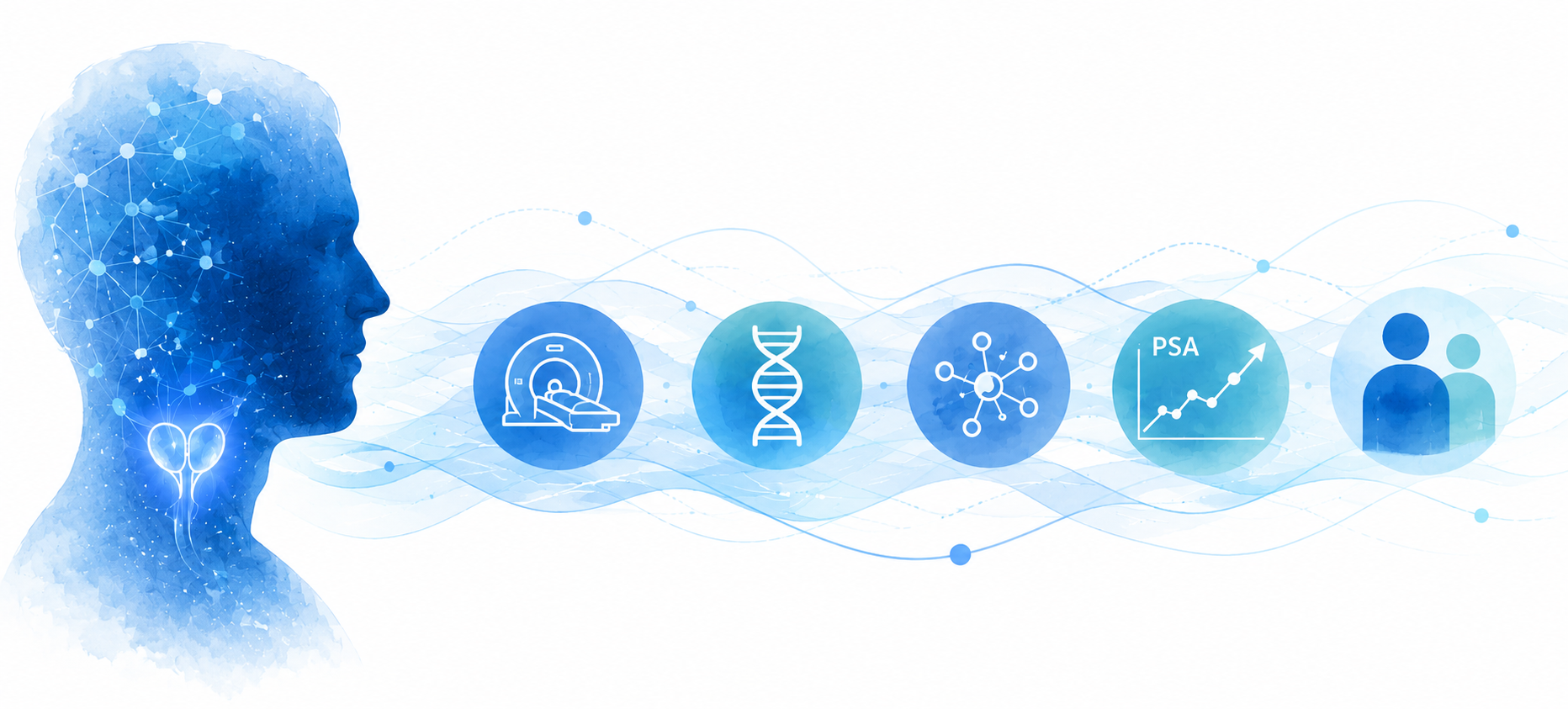
Fortunately, researchers believe a new generation of technologies may help move the field forward. Advances in MRI imaging, biomarker testing, precision medicine and artificial intelligence are helping physicians better distinguish aggressive cancers from slow-growing disease that may never become harmful. The hope is that these tools will not only improve outcomes for men with potentially dangerous prostate cancer, but also reduce unnecessary biopsies and overtreatment for men with lower-risk disease.
According to Dr. Kim, prostate cancer care is undergoing a major shift away from “one size fits all” medicine and toward more personalized decision-making. Rather than relying on PSA levels alone, physicians increasingly consider a broader picture that may include imaging results, genetics, family history, tumor characteristics and overall patient health.
AI Tool Designed to Speed Up Prostate Cancer Diagnosis
Norwegian researchers have developed a new AI tool designed to help doctors interpret prostate MRI scans more quickly and efficiently, potentially easing growing pressure on radiology departments.
The tool is being developed as part of the PROVIZ project and is designed to assist radiologists in identifying suspicious areas in the prostate and helping guide where biopsies may be needed. Early testing suggests the system could help speed up decision-making while maintaining accuracy.
The need for tools like this is growing as prostate cancer screening increases, largely driven by more widespread use of PSA blood testing. While this has led to earlier detection in some cases, it has also significantly increased the number of MRI scans that need to be reviewed by specialists.
Researchers emphasize that the AI system is not intended to replace doctors, but to support them by handling more straightforward cases and allowing specialists to focus on more complex or uncertain findings. Doctors remain central to diagnosis and treatment decisions.
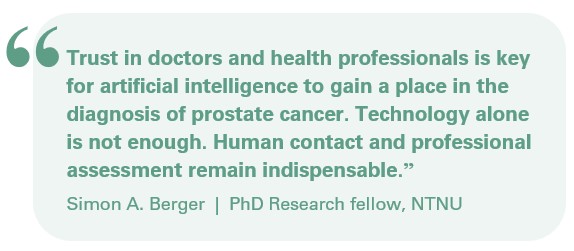
A separate patient study also found that trust in AI depends heavily on physician involvement. Patients were generally open to the use of AI, but only when results were confirmed and explained by experienced doctors.
If validated further, the AI tool developed through the PROVIZ project could help improve efficiency in prostate cancer diagnosis while maintaining the human oversight patients strongly rely on.
When PSA Starts Rising Again, Speed Matters
For men who’ve been treated for prostate cancer, follow-up PSA testing is a critical part of ongoing care. While a small PSA rise may not always signal an immediate problem, researchers say how quickly PSA rises can provide valuable information about whether recurrent cancer may be more aggressive.
While PSA doubling time — the amount of time it takes for a patient’s PSA level to double — has long been recognized as a key indicator in prostate cancer follow-up (and it’s something Bob Marckini discusses in his book, You Can Beat Prostate Cancer), a recent study suggests it may not always be consistently documented in clinical practice. In simple terms, researchers found that doctors may not always be carefully tracking how rapidly PSA is increasing after treatment.
A rapid doubling time, typically less than 6 to 10 months, may suggest a more aggressive tumor and higher risk of metastasis. A longer doubling time, such as more than a year, generally points to a slower-growing (“indolent”) and potentially less aggressive recurrence.
Researchers say better tracking of PSA doubling time could help physicians identify higher-risk patients sooner and improve treatment planning, as experts increasingly emphasize not just PSA numbers themselves — but also the trend and speed of change over time.
Promising New Strategy for Advanced Prostate Cancer
Researchers have launched a major national clinical trial to explore whether treating metastatic prostate cancer more aggressively earlier in the disease process could help men live longer and improve long-term outcomes.
The study, known as ASPIRE, is evaluating whether adding chemotherapy to standard hormone therapy and newer anti-androgen treatment may provide additional benefit for men with advanced prostate cancer that has spread beyond the prostate.
In recent years, treatment for metastatic prostate cancer has evolved rapidly, with researchers increasingly studying whether a more intensive “up front” approach may help slow disease progression and extend survival. While the answers are still being studied, experts say these kinds of trials continue to shape the future of prostate cancer care for men facing recurrent or advanced disease.
Can Acupuncture Help Hot Flashes?
Hormone therapy (androgen deprivation therapy) is a common and effective treatment for prostate cancer, but it often comes with challenging side effects—most notably hot flashes, fatigue, and changes in mood and energy levels. While medications are sometimes used to manage these symptoms, many patients are increasingly interested in non-pharmacologic approaches that can provide relief without adding additional drugs. One option gaining attention is acupuncture, a component of traditional Chinese medicine, involving the insertion of very thin needles into specific points on the body to help regulate various physiological processes.
A growing body of evidence suggests that acupuncture may significantly reduce hot flashes in men undergoing hormone therapy. Research from the Netherlands has shown promising results, with some patients experiencing a substantial reduction—or even complete resolution—of hot flashes. A UK clinical study also found that acupuncture significantly reduced both the frequency and intensity of hot flashes in prostate cancer patients receiving hormone therapy. New York researchers reported similar outcomes.

What makes acupuncture particularly appealing is its low-risk profile. Unlike medications that may introduce additional side effects, acupuncture is generally considered safe when performed by a trained practitioner. Many patients also report broader benefits, including improved sleep, reduced stress, and an overall sense of
well-being.
While acupuncture may not be the right solution for everyone, it represents a valuable option for those looking to manage side effects in a more holistic way. As always, patients should discuss any new treatment approach with their healthcare team to ensure it aligns with their overall care plan.

Making Sense of Prostate Cancer
The National Comprehensive Cancer Network (NCCN) is one of the most respected cancer organizations in the world, bringing together experts from leading cancer centers to develop evidence-based guidelines used by physicians across the country. In addition to its professional guidelines for doctors, NCCN also creates patient-friendly versions designed to help individuals and families better understand cancer screening, diagnosis and treatment decisions.
This month, we begin a special four-part series based on the latest NCCN Guidelines for Patients — a recently updated, evidence-based resource designed to help patients better understand today’s approaches to prostate cancer screening, diagnosis and treatment. While prostate cancer is one of the most common cancers affecting men, many quickly discover that terms such as PSA testing, MRI scans, biopsies, Gleason scores, treatment options and recurrence monitoring can quickly feel overwhelming and confusing.
Our goal with this series is to help simplify some of the terminology and concepts many men encounter throughout the prostate cancer journey. Over the next several issues, we’ll break down key topics into plain, understandable language — helping readers become more informed, empowered and confident as they navigate screening, diagnosis, treatment decisions, and long-term survivorship.

Part 1: Understanding PSA Screening and Early Detection
What is the prostate and what does it do?
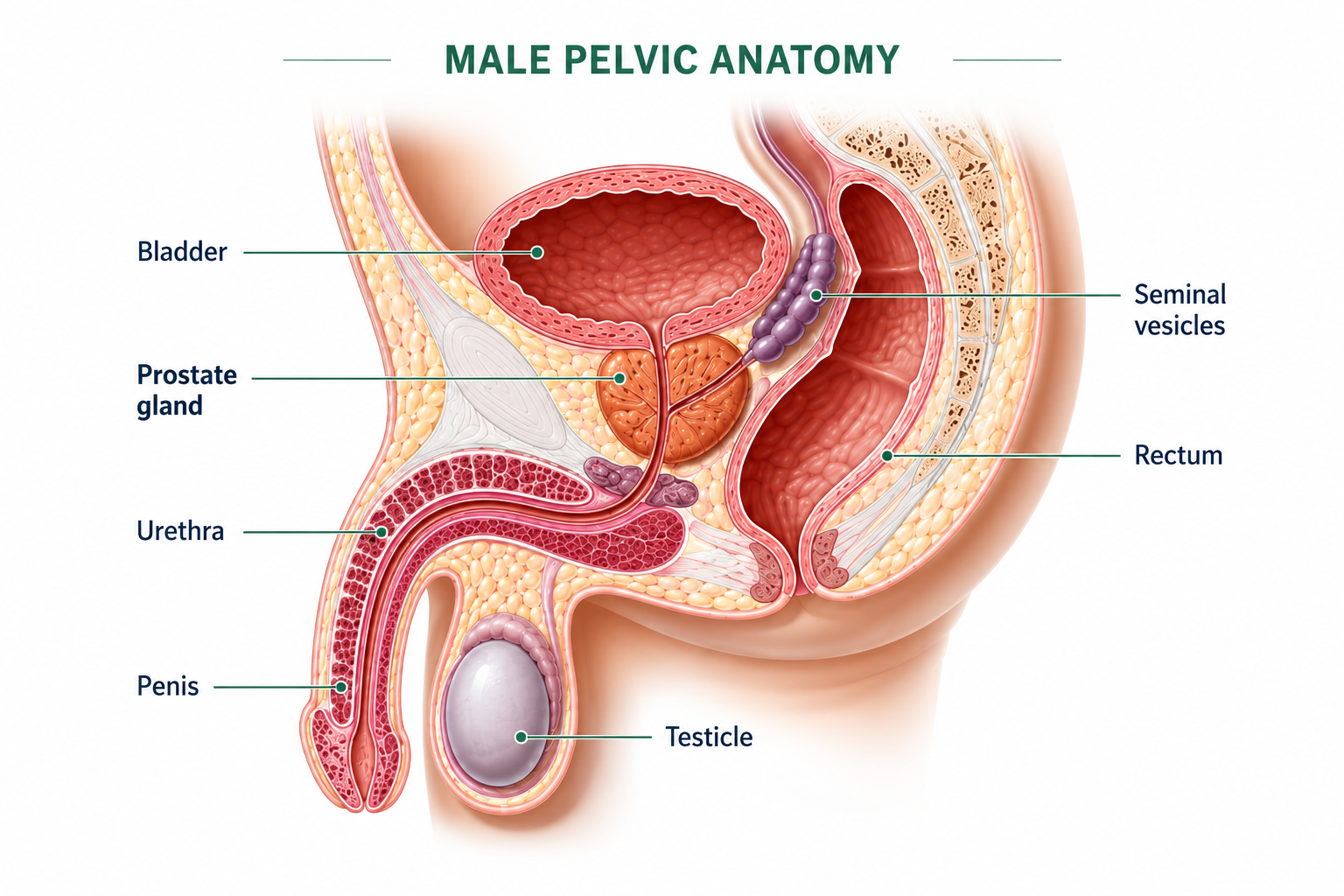
The prostate is a small gland that’s part of the male reproductive system. Located just below the bladder and in front of the rectum, the prostate helps produce fluid that supports and transports sperm. In younger men, the prostate is typically about the size of a walnut — roughly 3-4 cm wide and weighs about 20-30 grams. Prostates commonly enlarge with age.
What is prostate cancer?
Prostate cancer is one of the most common cancers affecting American men, second only to skin cancer. It begins when cells in the prostate develop changes that cause them to grow and multiply uncontrollably, eventually becoming cancerous.
Prostate cancer can behave very differently from person to person. In many men, it grows slowly and may never spread, cause symptoms, or require treatment. In others, the cancer can grow more quickly, spread beyond the prostate and become serious or even life-threatening.
What are the symptoms of prostate cancer?
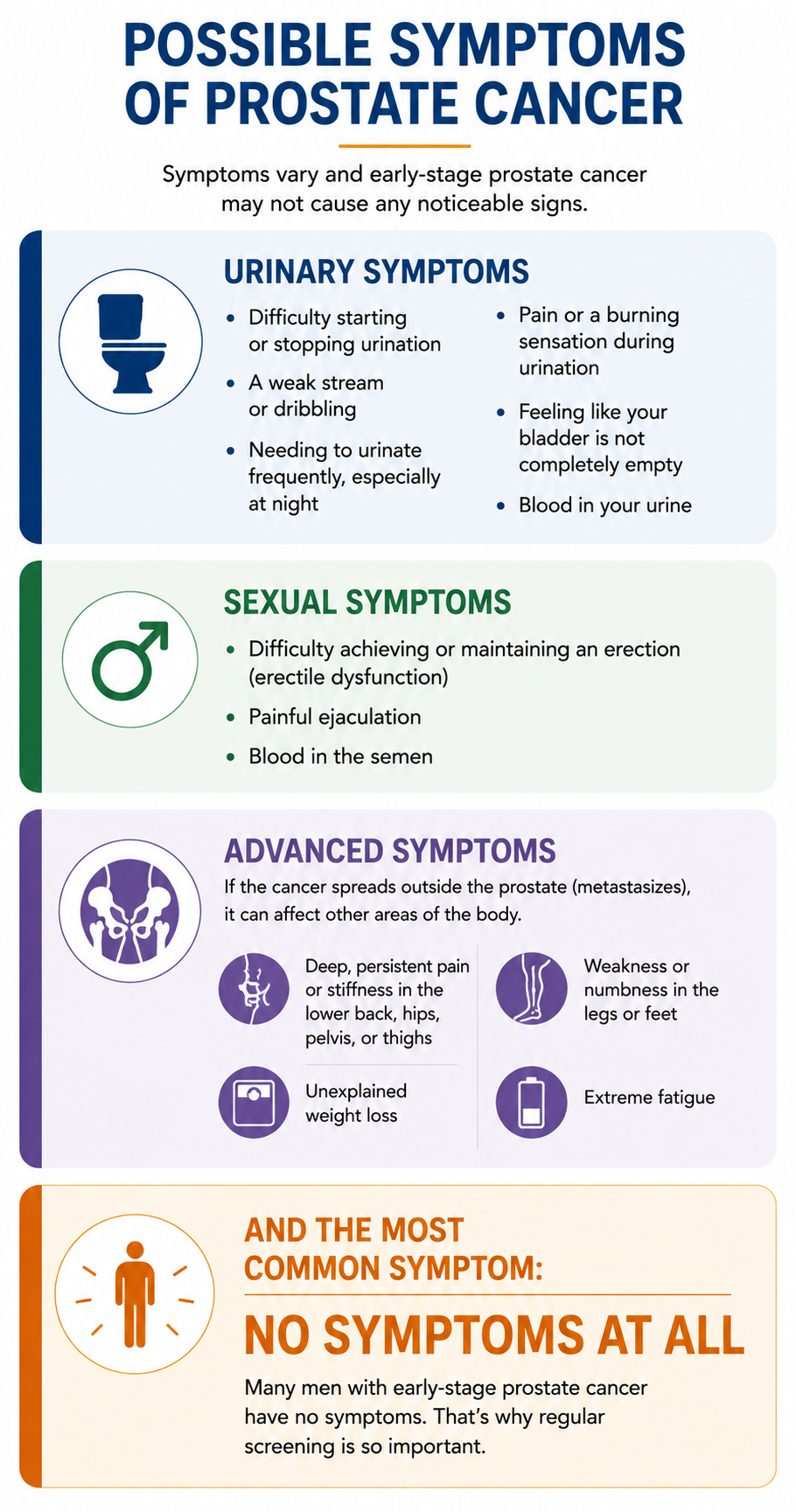
Possible symptoms of prostate cancer can include difficulty urinating, a weak urine stream, frequent urination (especially at night), pelvic discomfort, blood in the urine or semen, erectile dysfunction, or pain during urination. In more advanced cases, prostate cancer that has spread to the bones may cause bone pain. However, many of these symptoms can also be caused by common non-cancerous prostate conditions such as benign prostatic hyperplasia (BPH) or prostatitis. And importantly, many men with early-stage prostate cancer experience no warning signs at all.
What is prostate cancer screening?
Prostate cancer screening involves tests that check for signs of prostate cancer before symptoms develop. The goal is to identify potentially aggressive cancers at an earlier, more treatable stage, while also recognizing that some prostate cancers grow so slowly they may never require treatment. Standard first-line screening typically includes:
- PSA (Prostate-Specific Antigen) blood test — measures the level of PSA, a protein produced by the prostate gland
- PSA is a protein produced by the prostate gland. While elevated PSA levels can sometimes signal prostate cancer, they can also be caused by non-cancerous conditions such as an enlarged prostate, inflammation, or recent activity affecting the prostate, including ejaculation, prolonged cycling, or certain medical procedures (e.g., prostate biopsy, cystoscopy, or catheter placement) . That’s one reason why PSA testing — while incredibly valuable for early detection — can sometimes be confusing and even controversial.
- Digital Rectal Exam (DRE) — a physical exam in which a healthcare provider checks the prostate for abnormalities
If screening results are abnormal, additional testing such as MRI imaging or a prostate biopsy may be recommended.
Who should get screened?
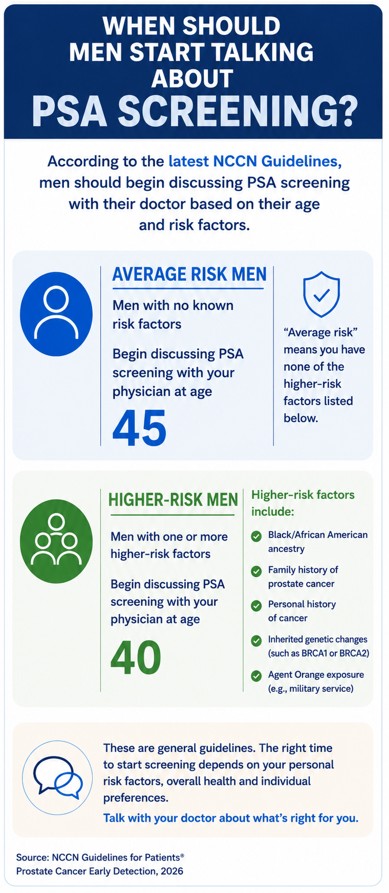
Many experts believe prostate cancer screening decisions should be individualized rather than “one size fits all.” Factors such as age, family history, race, overall health and personal preferences can all play a role in determining when screening should begin and how often it should occur. While recommendations vary somewhat among medical organizations, many experts suggest men at average risk begin discussing PSA screening with their physicians around age 45. Men with higher risk factors — including Black men and those with a strong family history of prostate cancer — are encouraged to begin those conversations around age 40.
What happens if PSA is elevated?
An elevated PSA doesn’t automatically mean cancer is present, nor does it necessarily mean treatment will be needed. In many cases, physicians may recommend repeating the PSA test several weeks or months later, particularly if the elevation is mild or unexpected. Doctors often look at PSA trends over time rather than relying on a single test result alone.
Physicians may also consider a variety of additional factors when evaluating an elevated PSA, including age, prostate size, medications, urinary symptoms, and family history. In recent years, newer imaging tools and additional testing methods have also helped physicians better evaluate elevated PSA results and determine which next steps, if any, may be appropriate.
What happens after screening?
After prostate cancer screening, blood samples are sent to a lab for testing, with results typically available within a few days. If PSA levels are normal for a man’s age — and a prostate exam is also normal — physicians will usually recommend continued routine screening. For many men, repeat screening may be recommended every 1 to 2 years if risk factors are present, or every 2 to 4 years for men with very low PSA levels and no significant risk factors.
If PSA levels are higher than expected, additional testing or evaluation may be recommended. An elevated PSA does not automatically mean prostate cancer is present, but it can serve as an important signal that further evaluation may be appropriate.

We’ve been publishing BOB Tales for 25 years, sharing thousands of articles—many of which our newer members haven’t seen, and longtime members may have forgotten or would appreciate revisiting. That’s why we regularly reprint articles from past issues that we believe are still relevant and carry an important message. The following is an article from our January 2012 issue.
Be Careful with Colonoscopies After Radiotherapy
Some men experience rectal bleeding after proton treatment. This is often caused by radiation-induced neovascularization, sometimes called radiation proctitis — a condition in which radiation creates fragile new blood vessels and irritation in the rectal tissue near the prostate. These tiny blood vessels can bleed easily. In most cases, the bleeding is minor, painless, and self-limiting, usually improving on its own over time.
Serious complications from radiation-related rectal changes are uncommon, but the tissue may remain more vulnerable for years after treatment. That’s one reason physicians recommend extra caution during certain rectal procedures, including colonoscopy.
That said, rectal bleeding should never simply be assumed to be treatment-related. A colonoscopy may be recommended to make sure the bleeding is not coming from another cause. But there’s an important issue many patients may not know about.
Many men who undergo proton therapy for prostate cancer develop radiation-related changes on the anterior (front) wall of the rectum, the area closest to the prostate. This tissue can appear abnormal during a colonoscopy and may sometimes be the source of bleeding.
Radiation oncologists generally advise patients to let the gastroenterologist performing the colonoscopy know they have had prostate radiation therapy. Unnecessary biopsies of previously irradiated rectal tissue is usually discouraged, as it can occasionally lead to more significant bleeding.
Most gastroenterologists are already aware of this issue — but not all are. So it’s worth speaking up before the procedure. In other words: “hands off (or needles off) the dark spot in the rectum next to my prostate.”

Egg Consumption Linked to Lower Alzheimer's Risk
A new study from Loma Linda University Health found that egg consumption is associated with a significantly lower risk of developing Alzheimer’s disease in adults aged 65 and older.

Researchers reported that eating one egg per day, at least five days per week, was linked to up to a 27% reduction in Alzheimer’s risk compared to those who never eat eggs. Even lower intake showed benefits: eating eggs 2–4 times per week was associated with a 20% lower risk, and 1–3 times per month with a 17% reduction.
The study analyzed data from approximately 40,000 participants in the Adventist Health Study-2, with Alzheimer’s diagnoses confirmed through Medicare records over an average follow-up period of 15.3 years.
Researchers point out many nutrients in eggs that support brain and nervous system health, including:
- Choline — helps produce acetylcholine, a neurotransmitter involved in memory, learning, mood, and nerve signaling
- Vitamin B12 — supports nerve function and myelin (the protective coating around nerves)
- Folate (B9) — important for brain function and neurotransmitter production.
- Vitamin D — supports mood, cognition, and overall brain health
- Omega-3 fatty acids — support brain cell membranes and may help reduce inflammation
- Lutein and zeaxanthin — antioxidants linked not only to eye health but also cognitive function
- Selenium — antioxidant that helps protect brain cells from oxidative stress
- Protein/amino acids — provide building blocks for neurotransmitters like dopamine and serotonin
Egg intake was measured both directly (such as scrambled or boiled eggs) and indirectly through foods containing eggs, like baked goods and packaged items.
Note: While these findings are promising, they also reflect a population that generally follows healthier lifestyle patterns than the average
Drinking Coffee Regularly May ‘Significantly’ Reduce Anxiety
A new study suggests that moderate coffee consumption may do more than boost energy — it may also support mood and mental well-being. Researchers found that people who drank about 2–3 cups of coffee per day had a lower risk of developing anxiety, depression, and other stress-related disorders compared to both non-coffee drinkers and heavy coffee drinkers.

Interestingly, the benefits were strongest with caffeinated coffee, but decaf coffee also showed a smaller positive association — suggesting that coffee’s potential effects may involve more than caffeine alone. Researchers believe compounds such as antioxidants and polyphenols may also play a role.
The study also found that the apparent mental health benefits of moderate coffee consumption were somewhat stronger in men than in women, though researchers are not entirely sure why.
Coffee has long been linked to improved alertness, concentration, and mood, and some studies suggest it may positively influence inflammation and the gut microbiome — both increasingly connected to brain health.
Researchers caution that the findings show an association, not proof that coffee directly improves mental health. They also note that too much caffeine can worsen anxiety, disrupt sleep, and cause jitteriness in some individuals. Moderate intake appears to be the “sweet spot.”
“Liquid Death?” The Truth About Fizzy Drinks
A heart surgeon recently made headlines by calling soft drinks “liquid death,” urging people to avoid them entirely. Dramatic? Yes. Completely wrong? Not exactly.
The Real Concern
The concern isn’t the bubbles—it’s what’s in the drink. Many carbonated drinks are loaded with sugar, offer little to no nutritional value, and don’t make you feel full. That combination can quietly lead to weight gain, blood sugar spikes, and increased risk of long-term health issues like heart disease. In other words, it’s not one soda that’s the problem—it’s the habit.
And that habit is more common — and more ingrained — than people think. Nearly half of U.S. adults drink sugary beverages daily, and research shows these drinks can trigger reward pathways in the brain, reinforcing cravings and routine use. Even diet versions, while lower in sugar, may still reinforce a preference for sweetness and make the habit harder to break.
The Better vs. The Worse
Some fizzy drinks are fine to have regularly. Plain sparkling water and seltzer are the simplest options — just water and carbonation, with no sugar, no sweeteners, and no real downside for most people. Mineral water and unsweetened flavored sparkling waters are similar, though some citrus versions can be slightly more acidic, and over time can wear down tooth enamel.
Diet sodas fall somewhere in the middle. They don’t contain sugar, which is a plus, but they’re still highly processed, acidic, and easy to turn into an all-day habit. Many also contain artificial sweeteners, which eliminate sugar but may still encourage a preference for very sweet tastes, and their long-term effects on health remain an active area of research.
Regular sodas, energy drinks, and anything loaded with added sugar are where the real issues start to show up — extra calories that don’t fill you up, repeated blood sugar spikes, and a higher risk of long-term problems like Type 2 diabetes.
So, if fizz is your thing, the occasional soda is probably fine — but for everyday hydration, sparkling water is the healthier long-term choice.

A Legacy of Giving
This month’s brain teaser winner also helped inspire this month’s Giving Back article. BOB member Bill Hirsh of Eugene, OR recently wrote to us suggesting that “legacy giving” might be a meaningful topic for our newsletter.
BOB Tales readers who’ve been around awhile may remember the “Estate Planning Hints” articles we published years ago by longtime BOB member Ron Hendricks, now retired director of gift planning for Trinity Western University. Those pieces focused primarily on practical estate planning topics. Bill’s email reminded us that while we’ve discussed estate planning before, we really haven’t talked much about the idea of legacy giving specifically.
During Bill’s proton therapy experience in 2024, he and his wife Pam spent time with the LLUH development team discussing legacy giving and the idea of including meaningful organizations in long-term planning. While Bill and Pam were already familiar with estate planning concepts through work they’d done with a church organization, they’d never really considered it in connection with Bill’s proton treatment and LLUH.
“That really struck us,” Bill said.
Many people naturally think about providing for children, grandchildren, churches, or charities that have played an important role in their lives. But for many proton patients and families, proton therapy itself — and the pioneering work of Dr. James M. Slater and LLUH — become part of that story too. Without LLUH pioneering hospital-based proton therapy decades ago, the nearly 50 proton centers operating across the United States might not exist.
In simple terms, legacy giving means arranging future support for a cause or organization through a will, trust, retirement account, insurance policy, or other estate planning tools. For some people, it becomes a way to support future patients, research, education, or programs that meant something deeply personal to them. In Bill’s words, it can be “an elegant way to potentially bequeath a substantial legacy.”
In many cases, these arrangements don’t necessarily affect a person’s current finances at all, but instead become part of long-term planning intended to leave a lasting impact on future patients, families, research, education, or programs that held special personal meaning to them.
LLUH even maintains a formal “Heritage Society” for individuals and families who choose to include the organization in their long-term estate planning.
This is not meant to be a fundraising appeal. Rather, it’s something one thoughtful member suggested might be meaningful for others to think about — especially those who feel proton therapy, LLUH, or the Brotherhood of the Balloon had a lasting impact on their lives. For some families, legacy giving simply becomes one more way to help ensure that future patients continue to benefit from the same hope, innovation, and support that once helped them.

Legacy & Giving Options
- Make a gift online and choose where you'd like it to go: (· Cancer Center Vision/Stronger Together · Proton Research/James M. Slater Chair · Proton Research/Robert J. Marckini Chair · Other—specify an area or write “unrestricted” for greatest need)
- Mail a check. Make it out to “LLUCC.” Specify where you’d like to direct your gift in the memo line and mail to: LLUH Office of Philanthropy · P.O. Box 2000 · Loma Linda, CA 92354
- Call 909-558-5010 to make a gift or ask any questions.
- *For questions regarding legacy giving opportunities, contact the LLUH Office of Planned Giving at 909-558-4553 or visit the LLUH Heritage Society.

You Can Beat Prostate Cancer: And You Don't Need Surgery to Do It - Second Edition

As of this writing, Bob’s second edition is still holding the No. 2 spot on Amazon—out of more than 7,000 books—on a search for “prostate cancer.” The book has 347 reviews and an average rating of five stars.
Beyond the Amazon stats, what truly matters is the feedback we hear from readers. Every day, men share how Bob’s book gave them the confidence to make one of life’s most important decisions. Some call it a “lifesaver,” others say it was the one resource that made proton therapy the clear choice. Hearing their stories reminds us why Bob wrote it in the first place.
Real Words from Real Readers
Below is an Amazon review written by a reader who credits Bob’s original book — along with support from his wife and a friend’s personal experience — with helping guide his prostate cancer treatment decisions. After completing proton therapy at Hampton University Proton Cancer Institute, he revisited the newly updated edition and found it even more meaningful through the lens of his own experience.

Knowledge Provides Power to Make Good Treatment Decisions
The original book and my wife’s steadfast support (plus the shared positive, personal experience of a lifelong friend) are the main reasons that I believe I successfully found a cure for my low/intermediate-risk prostate cancer. I read this new edition after completing 44 first class treatments at the Hampton University Proton Cancer Institute this past summer. It’s great to be able to relate to the actual experience and I’m so fortunate to have found such a wonderful source of information on the topic. I highly recommend this book! Excellent work by all involved!!
Did Bob’s book help you?
When diagnosed with cancer, 89% turn to the internet for answers—40% on the very same day. Many end up on Amazon, where reviews carry serious weight. If Bob’s book helped you, please take a moment to write a review. Your words could help someone else find clarity and hope. Thank you.

Last Month’s Brain Teaser
A teacher decides to plan a fun logic game with her class. She selects three students to stand in a row facing the front of the class. The student at the back (C) can see both students in front, the student in the middle (B) can see only the student in front and the student in front (A) can’t see the other two students.
The teacher shows the students three white baseball caps and two black baseball caps and puts them in a bag. The teacher then blindfolds each student and asks them to select a cap and put it on their heads.
The teacher then removes their blindfolds and asks the students to solve by logic what color caps they are wearing (They can’t see the color of their own caps.)
The student in front (A) just laughs, because what chance does he have? They stand like this for a few minutes and none of the students can guess the color of their caps. Then the student in the front (A) shouts that he knows what color cap he is wearing.
How is this possible?

Answer:
A is wearing a white cap.
Here’s how he knows:
If C had seen two black caps on A and B, C would have known immediately that his own cap had to be white, since there were only two black caps total. But C did not answer, which tells everyone that A and B are not both wearing black caps.
Now B can use that information. If B saw a black cap on A, B would know that his own cap had to be white. Otherwise, A and B would both be wearing black, and C would have answered right away. But B also didn’t answer.
That means B must not be seeing a black cap on A. Therefore, A knows his own cap must be white.
Winner:
Congratulations to Bill Hirsh of Eugene, OR, our May Brain Teaser winner!
Bill underwent proton therapy treatment for his prostate cancer at LLUCC just two years ago. His PSA has since dropped significantly and he’s feeling great. Bill said, “it didn’t take much convincing” for him to embrace proton therapy once he learned about it, especially considering his background in physics. In high school, he helped build a working proton particle accelerator in the school’s science basement and later worked summers at what was then the largest particle accelerator in the country while majoring in physics as an undergraduate.
This Thanksgiving, Bill and his extended family — 19 relatives spanning nine decades of age, including four of his five children, six of seven grandchildren, and two great-grandchildren — plan to celebrate his 80th birthday with a family cruise.

Bill credits “great medical care at LLU and semi-Blue Zone living” for helping him continue to enjoy an active and fulfilling life. Just two weeks after completing treatment, he returned to alpine skiing and logged an incredible 112 ski days last season! Even with a lighter snow year this year, he still managed an impressive 63 days on the slopes.
Photo: Bill and Pam Hirsh with two of their seven grandchildren shortly after Bill’s proton treatment ended
New Brain Teaser
Since that last one was rather complex, here’s a simple one…
What do these seven words all have in common?
banana
potato
assess
dresser
revive
grammar
uneven
Send your answer to [email protected] for a chance to win a signed copy of Bob Marckini’s second edition book, You Can Beat Prostate Cancer.

Funnies…
Answering Machine Message
“I am not available right now, but thank you for caring enough to call. I am making some changes in my life. Please leave a message after the beep. If I do not return your call, you are one of the changes.”
Context is Important
Wife texts husband on a cold winter’s morning: “Windows frozen, won’t open.”
Husband texts back: “Gently pour some lukewarm water over it.”
Wife texts back five minutes later: “Computer really messed up now.”
Aging
Two elderly women in The Villages had been meeting on the same park bench almost every afternoon for 12 years.
One day, the younger woman looked over and said, “Please don’t be upset with me, but after all these years I just can’t remember your name.”
The older woman sat quietly, thinking hard for nearly two full minutes. Finally she looked up nervously and said, “How soon do you need to know?”
Bad Humor
- My grandpa always said when one door closes, another one opens. Smart man but a horrible cabinet maker.
- People are usually shocked when they find out I’m not a very good electrician.
- “Look, a flock of cows!”
“Herd of cows.”
“Yeah, I have; there’s a flock of them over there.” - What’s the difference between a hippo and a Zippo? One is real heavy and the other is a little lighter.

People Who Talk to Pets Share These Traits
Do you talk to your dog like it’s human? According to psychologists, that may actually be a sign of empathy, emotional intelligence, and strong social connection — not weirdness. Experts say that talking to pets helps people bond, reduce stress, express emotions, and even feel less lonely. Some psychologists say it reflects an ability to empathize and connect emotionally with others.

The behavior is tied to something called “anthropomorphism,” which is the tendency to assign human characteristics to animals (or objects). Researchers say this type of human-animal interaction can actually be healthy and emotionally beneficial. So if someone catches you having a full conversation with your dog…science says you’re a more empathetic, compassionate, and emotionally connected person.
Did You Know...
The 100 folds in a chef's hat represent 100 ways to cook an egg. Legend has it that the 100 folds in a chef’s hat represent 100 ways to cook an egg. The tall white chef’s hat — officially called a toque — traditionally symbolized a chef’s experience and expertise in the kitchen.
The longest wedding veil was longer than 63 football fields. A woman in Cyprus earned the Guinness World Record with a veil measuring nearly 23,000 feet long — roughly the length of 63.5 football fields.
Some cats are allergic to people. Some cats are allergic to people. While it’s uncommon, cats can have allergic reactions to human dander, hair, and skin cells.
The voice actors of Mickey and Minnie Mouse were a couple in real life. Voice actors Wayne Allwine and Russi Taylor were married for 18 years until Allwine passed away in 2009.
M&M stands for Mars and Murrie. Forrest Mars (son of the Mars Company founder) partnered with Bruce Murrie (son of Hershey Chocolate’s president) to create the candy after Mars noticed that a hard candy shell helped prevent chocolate from melting easily.
Earlobes serve no major biological function. While they are rich in nerve endings and may play a role in touch sensitivity and social bonding, many scientists argue that earlobes have no clearly established biological purpose.
Orcas wear other animals as hats. Scientists have observed dolphins playing catch with pufferfish and octopuses, and orcas wearing dead fish as hats. No one knows why.
Pine trees can tell if it’s about to rain. If you look closely, pine cone scales tend to close when the air becomes humid — often a sign that rain may be on the way.

A Little Faith
Faith was born with only two legs. A mixed-breed puppy found at a flea market, she was considered unlikely to survive. Her mother had reportedly rejected her, and veterinarians suggested she be euthanized.
But one day, a woman named Jude and her family decided to give the vulnerable little dog a chance. They took her home, cared for her, and what followed was something remarkable.
With extraordinary patience, encouragement, and determination, Faith slowly learned to balance and eventually walk upright on her hind legs. Over time, her unusual walk became far more than a curiosity — it became a symbol of perseverance and hope to people around the world.
Faith eventually visited hospitals, rehabilitation centers, schools, airports, and military facilities, where her joyful spirit and refusal to give up left an impression on countless people facing their own challenges.

What made Faith so inspiring wasn’t just that she overcame a disability; it was the pure joy and enthusiasm she carried with her while doing it.
Faith passed away peacefully in 2014 at nearly 12 years old — far beyond the few weeks many believed the tiny unwanted puppy from the flea market would ever survive.
Sometimes the ones least expected to survive become the ones who teach the rest of us how to live.
Low PSAs to all,
Bob Marckini and Deb Hickey
Want a printable version of this issue?
👉 Download the PDF here.
NO MEDICAL ADVICE: Material appearing here represents opinions offered by non-medically trained laypersons. Comments shown here should NEVER be interpreted as specific medical advice and must be used only as background information when consulting with a qualified medical professional.