

Dear Members (a note from Deb Hickey):
If you’ve been following my updates over the years, you know about that miserable, relentless eye condition I have—corneal neuropathy. It’s the thing that makes looking at screens feel impossible at times, driving unbearable, and everyday tasks just a little harder. It’s been a long road, but I’ve managed… by the grace of God.
So why would I sign up for a full day of eye exams and willingly spend hours staring at a screen while feeling like I’m trapped inside a washing machine at a construction site? Well, that’s not exactly what’s going to happen—but if you’ve ever had an MRI, you know exactly what I mean.
I’ve agreed to participate in a clinical trial at Boston Children’s Hospital, a study focused on understanding chronic ocular pain—where it comes from, how it works, and how it might finally be treated. The hope is that somewhere within the nerves and pathways that transmit these signals to the brain, there are answers—answers that could lead to better treatments, and maybe, for some, relief.
I may not get answers; my condition may remain a mystery. But if what I go through helps someone else down the line—helps them get answers sooner, suffer less—then it matters.
And that’s really the message of this month’s “Giving Back” article.
Progress—whether in cancer care or conditions like mine—happens only because people choose to step in. To support. To volunteer. To participate. To give something of themselves, even when it’s inconvenient, uncomfortable, or honestly, the last thing they want to do.
It isn’t easy. But it’s how things change—and how they get better.

It’s that same spirit of stepping forward that drives real innovation in medicine. This month, our Special Segment highlights an exciting example: Loma Linda University Health has partnered with Mevion Medical Systems to bring their next‑generation S250‑FIT Proton Therapy System to patients. The FIT system, recently cleared by the FDA, combines industry‑leading HYPERSCAN® pencil beam scanning technology with advanced imaging, adaptive planning capabilities, and support for future innovations like FLASH proton therapy—all within the smallest footprint ever, making it easier for more cancer centers to expand access and improve precision.
Personally, I can’t overstate my excitement about this partnership. LLUH is once again poised to lead the way in proton therapy, pioneering approaches that put patients first. Working hand‑in‑hand with Mevion, they’re applying this cutting‑edge technology in the most effective way possible—treating patients while learning and evolving together. It’s a collaboration that doesn’t just advance equipment or techniques; it advances knowledge, care, and hope for the future.
In our News Report section this month, we highlight advances in prostate cancer detection, including sharper 5T MRI imaging, simple metrics that make standard MRIs more accurate, and micro-ultrasound as a faster, more accessible alternative to MRI-guided biopsy. We also cover a new trial combining PSMA PET scans with MRI, a smarter PSA risk calculator, a treatment that significantly reduces hot flashes during hormone therapy, and early research exploring the possible role of microplastics in prostate tumors.
Our Flashback article revisits intriguing research showing that trained dogs may be able to detect prostate cancer by scent with surprising accuracy—offering insight into how future diagnostic tools, like electronic “noses,” might one day identify cancer earlier and more reliably.
In Healthy Living, we look at how cancer cells fuel their growth and spread, why proper handwashing still matters more than ever, the real nutritional benefits (and pitfalls) of oatmeal, and how a specific type of brain training may help reduce the risk of Alzheimer’s disease.
As always, we welcome your feedback! You can reach me at [email protected]. We hope you enjoy this issue, and we thank you for being part of our community—past, present, and future.
Deb Hickey

📄 Prefer to print and read?
👉 Download the PDF here.

- High-Definition 5 T MRI Offers Sharper, Smarter Prostate Cancer Detection
- Two Simple MRI Metrics Could Improve Prostate Cancer Detection
- Micro-Ultrasound Matches MRI in Major Prostate Biopsy Trial
- New Trial Tests Smarter Imaging Before Biopsy
- Smarter PSA Calculator Helps Predict Prostate Cancer Risk
- New Drug Dramatically Reduces Hot Flashes for Men on Hormone Therapy
- Microplastics Found Inside Prostate Tumors
- Special Segment: ‘A Watershed Moment’—LLUH Steps Into the Next Era of Proton Therapy
- Flashback: Prostate Cancer Sniffing Dogs?
- New Research Reveals How Cancer Grows and Spreads
- Are You Washing Your Hands Long Enough?
- Is Oatmeal Really Good for You?
- Brain Training Game May Cut Alzheimer’s Risk by 25%

High-Definition 5 T MRI Offers Sharper, Smarter Prostate Cancer Detection
A new prospective study suggests that high‑definition 5 T MRI gives doctors a noticeably clearer and more detailed view at prostate anatomy and suspicious lesions compared with the standard 3 T MRI. The “T” refers to Tesla, a measure of magnetic strength—and a higher number generally means better image clarity.
In the study, 67 men with suspected prostate cancer underwent both 3 T and 5 T scans, allowing researchers to compare results within the same patients. Reviewed independently by two radiologists and validated against biopsy and surgical pathology, the 5 T images demonstrated significantly improved visualization of key structures—including the capsule, seminal vesicles, and neurovascular bundles—as well as clearer lesion borders and stronger contrast. Importantly, the stronger magnetic field improved clarity without creating additional technical issues—a common concern with more powerful scanners.
Clinically, 5 T MRI also outperformed 3 T in predicting biopsy results, suggesting that the sharper imaging may translate into more accurate detection and staging.
For men monitoring their prostate health, this is another promising step toward smarter, gentler care—giving doctors sharper tools and patients more confidence in
their diagnosis.

Two Simple MRI Metrics Could Improve Prostate Cancer Detection
Building on advances in MRI for prostate cancer, a new study from Stanford Medicine shows that doctors can improve detection using two simple measurements from a standard MRI instead of relying on the usual PI-RADS score alone.
Radiologists already score MRI scans using PI-RADS—a system that tells how suspicious a lesion looks—but scores of 3 are common and often unclear, with many men ending up getting biopsies that show no significant cancer.
In the study of nearly 950 men, researchers found that adding two simple numbers—the apparent diffusion coefficient (ADC) (which reflects how tightly water molecules are packed in tissue) and prostate-specific antigen density (PSAD) (a PSA blood value adjusted for prostate size)—made MRI reads much better at distinguishing true cancers from harmless findings.
When these two metrics were included, the chances that a suspicious but unclear lesion (PI-RADS 3) was actually significant cancer increased from about 1 in 10 to roughly 1 in 3. And for higher-risk lesions, adding the metrics boosted confidence even further.
What makes this exciting for patients is that these measurements are already available from routine scans and tests—but using them together could mean fewer unnecessary biopsies, better targeting of suspicious areas, and more personalized care without extra procedures.
Micro-Ultrasound Matches MRI in Major Prostate Biopsy Trial
And there’s yet another alternative technology that may expand options for prostate biopsies: A major international trial has reported that micro-ultrasound-guided prostate biopsy is just as effective as MRI-guided biopsy at finding clinically significant prostate cancer. This could give men and doctors more flexibility in how they approach diagnosis—especially when MRI isn’t practical due to cost, access, or scheduling.
The OPTIMUM trial included men undergoing their first biopsy and compared micro-ultrasound, MRI-guided, and standard ultrasound approaches. Micro-ultrasound uses high-resolution ultrasound to highlight suspicious areas in real time, allowing doctors to target lesions as they appear. Researchers found it detected significant cancers at rates comparable to MRI guidance, without the extra time, cost, or complexity of an MRI scan.
For patients, this means a faster, simpler, and more accessible path to diagnosis, without compromising accuracy.
New Trial Tests Smarter Imaging Before Biopsy
A groundbreaking new study, the Phase 3 BiPASS trial, is testing whether combining an advanced PSMA PET scan with a standard MRI can improve prostate cancer detection before a biopsy.
The goal is simple but powerful: identify significant cancers more accurately while avoiding unnecessary biopsies. That means less stress, fewer side effects, and a smoother experience for men keeping track of their prostate health.
The trial is enrolling patients in the U.S. and Australia, and the first U.S. patient has already received imaging—a real milestone. Over time, this study could change how prostate cancer is diagnosed.
Smarter PSA Calculator Helps Predict Prostate Cancer Risk
It’s not just imaging where prostate cancer detection is advancing—researchers at Michigan Medicine have developed a new PSA‑based tool to help doctors and patients interpret PSA results more meaningfully.
Prostate‑specific antigen (PSA) remains the most common screening test, but millions of PSA tests are done each year without clear guidance on what the numbers really mean for an individual’s risk. This new model takes PSA along with factors like age, race, family history, body mass index, and other health conditions, and uses long‑term data from tens of thousands of men to better predict the risk of dying from prostate cancer.
Unlike older risk calculators that focus narrowly on biopsy findings, this tool is designed to show which patients are most likely to benefit from further screening or treatment—and which are not—helping avoid unnecessary procedures and stress.
The researchers tested the model in a large Veterans Affairs database and found it could distinguish between patients at low vs. higher risk of prostate cancer mortality. While the data come from earlier decades, the model appears to improve on existing tools and is being evaluated for clinical use.
New Drug Dramatically Reduces Hot Flashes for Men on Hormone Therapy
A national Phase II clinical trial led by the Alliance for Clinical Trials in Oncology found that oxybutynin, a medication commonly used for overactive bladder, significantly reduces hot flashes in men undergoing androgen-deprivation therapy (ADT) for prostate cancer. ADT, while effective at controlling prostate cancer, causes hot flashes in up to 80% of men, often impairing sleep, energy, and quality of life.
In the randomized, double-blind, placebo-controlled study, 88 men from 15 cancer centers were treated with either oxybutynin (2.5 mg or 5 mg twice daily) or placebo over six weeks. Men taking oxybutynin experienced faster, larger, and more sustained reductions in hot flash frequency and severity than placebo. The higher dose (5 mg twice daily) led to nearly seven fewer hot flashes per day and a 14-point drop in severity scores, with 79% achieving at least a 50% reduction versus 32% on placebo. Improvements were seen within the first week and maintained throughout the study. The treatment was generally well tolerated, with dry mouth as the most common side effect.
“These results are incredibly encouraging,” said Dr. Bradley J. Stish, lead investigator. Oxybutynin provides men on hormone therapy a powerful new option to improve comfort and quality of life.
Microplastics Found Inside Prostate Tumors
Researchers at NYU Langone Health found tiny plastic particles deep inside prostate cancer tumors, raising questions about how these common pollutants might affect human health. While the research is early and doesn’t prove plastics cause cancer, it suggests microplastics could play a role in some cancers.
The team analyzed prostate tissue from 10 men. Microplastics were present in 9 out of 10 tumors and in 7 out of 10 nearby healthy tissue samples. They also confirmed the particles were not introduced during lab handling. On average, tumor tissue contained about 2½ times more plastic particles than noncancerous tissue.
Because plastics are so widespread—from food packaging to household products—scientists were careful to avoid contamination. They took extra precautions to ensure the plastics detected were truly in the tissue.
Experts not involved in the study note that while these findings don’t prove plastics cause cancer, they add to a growing body of evidence that microplastics and their chemical components could affect human health in ways we’re only beginning to understand. Larger follow-up research is being planned.

‘A Watershed Moment’
LLUH Steps Into the Next Era of Proton Therapy
Last month, Bob Marckini and Deb Hickey had the honor of meeting with and interviewing Judy Chatigny, Chief of Oncology & Radiology Services at Loma Linda University Cancer Center, and Dr. Tina Tianning Yu, Ph.D., President and CEO of Mevion Medical Systems. They discussed Mevion’s latest proton therapy technology and the collaborative effort with LLUCC to implement it in a way that could significantly advance cancer treatment. Following is a synopsis of our discussion.
Thirty-five years ago, Loma Linda University Health changed the course of cancer treatment by bringing proton therapy out of the laboratory and into the hospital. In 1990, the James M. Slater, MD Proton Treatment & Research Center at the Loma Linda University Cancer Center became the world’s first hospital-based proton therapy facility, giving clinicians and patients access to a powerful, highly precise form of radiation therapy in a clinical setting. Following that pioneering beginning, protocols were defined, outcomes carefully tracked, and thousands of patients were treated. Other institutions soon followed. The field didn’t just grow—it expanded dramatically.
And now, it’s happening again. LLUH has signed on with Mevion Medical Systems to adopt its MEVION S250-FIT Proton Therapy System™—joining Stanford Health Care as one of the first institutions in the world to move forward with this next-generation platform.
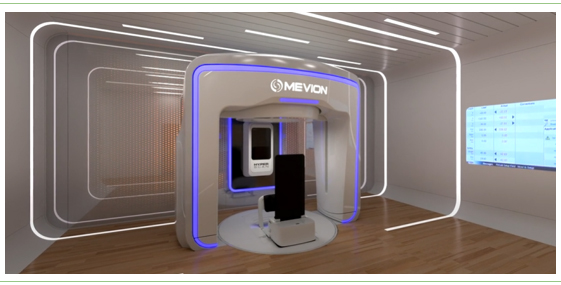
Enabled by the world’s smallest self-shielded proton accelerator, the MEVION S250-FIT is the first and only full proton therapy system that can fit in an existing LINAC vault—the thick-walled, radiation-shielded room where hospitals typically house standard linear accelerator machines used for conventional radiation therapy.
“This isn’t just an upgrade,” said Judy Chatigny, RN, MSN, Chief of Oncology & Radiology at LLUCC, about the MEVION S250-FIT system. “Sometimes innovation comes in small steps. And sometimes someone disrupts the field entirely. This is a watershed moment.”
And for many watching the evolution of proton therapy, it truly is.
Care Within Reach
At its heart, this isn’t about equipment—it’s about access. For years, the equipment needed to deliver proton therapy was large and complex, requiring multiple rooms, extensive beamlines, and dedicated facility space. That scale limited where hospitals could build centers and which patients could benefit from this highly precise form of treatment. Over time, advances in technology brought more compact proton systems that reduced footprint and complexity, making single‑room proton therapy an increasingly practical option for regional and community hospitals.
The S250-FIT takes that evolution even further. With the world’s smallest self shielded proton accelerator integrated directly into the treatment suite, it simplifies the infrastructure needed. This allows treatment to be offered within the footprint of existing radiation oncology space.
“This technology, in the end, is about patients,” said Dr. Tina Yu, President and CEO of Mevion. “And the more patient benefit stories are heard, the stronger the field becomes.”

And the Advances Keep Coming
The S250-FIT also introduces a fundamentally different way of delivering treatment: upright therapy. While patients have traditionally been treated supine (lying down), recent technological advances are making it possible to treat patients in a seated, standing or semi-standing, upright position—an approach that research suggests can reduce internal organ movement and improve comfort. Systems like this, position the patient in front of a fixed proton beam rather than rotating the beam around a patient, a shift that has gained market attraction by leading medical institutions in the US and overseas.
“It’s an exciting time,” Dr. Yu noted. “We’re eager to fully realize the clinical advantages of fixed beam proton therapy in combination with upright patient positioning system by working closely with experienced clinicians at Loma Linda and Stanford to help pave the road.”
LLUH’s adoption is significant not just for the technology itself, but for what it means in partnership with clinicians and researchers who have long explored new ways to make radiation therapy more effective and patient-friendly.
Built for the Future
The HYPERSCAN® Pencil Beam Scanning (PBS)-enabled MEVION S250-FIT Proton Therapy System is designed to deliver ultra-precise proton beams with exceptional speed and control. This allows radiation to be “painted” onto tumors with high accuracy while sparing surrounding healthy tissue.
The system also includes diagnostic CT imaging at the treatment position, enabling image-guided radiation therapy (IGRT) and adaptive planning so treatment can be adjusted as the patient’s anatomy changes over time—such as tumor shrinkage or shifts, as well as movement in surrounding organs and tissues during the course of therapy.
FLASH is an exciting frontier in radiation therapy. By delivering ultra-high doses of radiation in fractions of a second, early research suggests the potential to destroy tumors while sparing healthy tissue more effectively than conventional approaches. While clinical use is still under investigation, FLASH Proton Therapy (FPT) represents a step toward extreme hypofractionation, with the potential for treatments delivered in a single dose lasting milliseconds—or even nanoseconds.
Building on this innovation, technologies such as DirectARC™ further expand treatment capabilities by enabling dynamic, continuous delivery approaches designed to enhance precision and efficiency.
Beyond FLASH, the MEVION S250-FIT Proton Therapy System is designed to keep pace with emerging treatment and imaging technologies, ensuring patients have access to the latest advances in proton therapy.
"What excites those in the medical field the most is not a single feature, but the trajectory. After 35 years of clinical proton therapy, we’re still just scratching the surface,” said Dr. Yu. “There’s so much more this modality can do.”
Innovation Without Disruption
What makes this upgrade truly remarkable for LLUCC is that they can install the system within its existing proton center. Thanks to the forward-thinking design of the original facility—a vision laid down by Dr. James Slater and Dr. Jerry Slater—LLUCC can cap a beamline and upgrade room-by-room. This approach allows patient treatments to continue uninterrupted during the transition, something few, if any, other medical institutions could achieve.
“The process will require engineering precision, regulatory review, and patience,” said Judy. “Not surprisingly, anything beautiful and great is not going to be easy. It takes vision. It takes patience.”
The Next Era in Proton Therapy
For years, critics argued that proton therapy was too expensive and complex to become widely available. At the same time, the National Association for Proton Therapy, alongside countless researchers, physicians, physicists, advocates, and hospital leaders, worked tirelessly—in labs, clinics, and in Washington, DC—to establish reimbursement pathways, demonstrate clinical value, and expand access.
Today, that collective effort is paying off. With systems like the S250-FIT reducing infrastructure barriers, proton therapy is becoming more widely available than ever before. Not instantly, and not without careful work—but steadily forward. And once again, LLUH is helping lead the way, showing what’s possible when vision, innovation, and patient-centered care come together—pushing the boundaries of what cancer treatment can become.

We’ve been publishing BOB Tales for 25 years, sharing thousands of articles—many of which our newer members haven’t seen, and longtime members may have forgotten or would appreciate revisiting. That’s why we regularly reprint articles from past issues that we believe are still relevant and carry an important message. The following is an article from our June 2010 issue.
Prostate Cancer Sniffing Dogs?
French scientists have reported that dogs may be able to smell a man’s urine to tell if he has prostate cancer. The researchers—from Tenon Hospital in Paris—reported that dogs can be trained to detect the characteristic odor of unique chemicals released into urine by prostate tumors. This sets the stage and gives scientists “a leg up” on a new way to identify men who are at risk from cancer.

The dog’s nose—that of a Belgian Malinois which is a shepherd breed used for sniffing drugs and bombs—turned out to be more reliable than current diagnostic approaches. The current PSA test has a high rate of false positives leading to many unnecessary biopsies.
The dog was correct in 63 out of 66 sniff tests, with only three false-positives. Though there’s still more to be uncovered at this point, those stats are impressive. If the results of the study conclude that the dog’s nose proves to be a valuable cancer detector, it doesn’t mean that hospitals will begin employing canines. Scientists are already attempting to create an electronic nose to identify the chemical that tipped the dog off to cancer.
It’s also important to note that other researchers have already been studying the use of dogs to detect cancers of the breast, lung and bladder. Many tumors release characteristic chemicals that can be identified by the exquisitely sensitive canine nose. Lung cancer cells, for example, can release such chemicals into the air of the lungs, and they can then be detected on the victim’s breath.

New Research Reveals How Cancer Grows and Spreads
Cancer cells don’t use energy the same way healthy cells do. Instead, they change—or “rewire”—how they process sugar and fat to fuel growth, survive stress, and spread to other parts of the body. This process is known as cancer metabolism, and new research is showing just how central it is to cancer progression.
Recent studies from MD Anderson reveal that these metabolic changes play a direct role in how cancer spreads. In one study, researchers found that combinations of sugars like glucose and fructose—similar to those found in many sugary drinks—can change how cancer cells make energy. This shift increases the production of cholesterol inside the cancer cells, which helps them move and begin spreading. The research helps explain why diet can influence cancer behavior at a very basic, cellular level.
A second study looked at how cancer spreads to and survives in bone. Researchers found that some cancer cells get most of their energy by burning fat instead of sugar. This “fat-burning” process helps them survive in the stressful environment of bone, where resources are limited. A protein called ACBP, which is made inside the cancer cells themselves, acts like an internal helper. It makes fat-burning more efficient and basically protects the cancer cells from dying under stress. By understanding this system, scientists hope to develop treatments that can cut off the cancer cells’ energy supply or make them more likely to die, slowing or stopping the spread of cancer to bone.
Together, these findings support a growing idea in cancer research: to grow and spread, cancer cells must change the way they fuel themselves. In other words, by adapting to how they use nutrients and manage stress, cancer cells gain the energy and resilience needed to move to new tissues. Understanding this process could help scientists find new ways to prevent cancer spread and develop more precise treatments.
Are You Washing Your Hands Long Enough?
A recent article from USA Today explains why proper handwashing is crucial for preventing the spread of illness and gives practical guidance on how long and how thoroughly to wash. Health experts and public health authorities recommend scrubbing hands with soap and water for at least 20 seconds—long enough to remove most germs from the skin. This “20-second rule” has become a standard because evidence shows that friction and time help dislodge microbes effectively; washing for shorter periods leaves more germs behind.
Handwashing is especially important after using the bathroom, before eating or preparing food, after coughing or sneezing, and after touching high-contact surfaces. Many people don’t wash their hands properly or for long enough, despite how simple and effective it is at keeping them healthy.

Recommendations from health authorities like the U.S. Centers for Disease Control and Prevention (CDC) and the World Health Organization (WHO) outline the proper steps for effective handwashing: wet your hands thoroughly, apply soap (about a dime- to nickel-sized amount or one pump), lather all surfaces—including the backs of hands, between fingers, and under nails—scrub for at least 20 seconds, then rinse well and dry completely (Germs transfer much more easily on wet skin than dry skin.).
Thorough, routine handwashing remains one of the simplest and most effective ways to prevent common infections such as colds, flu, and gastrointestinal illnesses—and to protect both personal and public health. Hand sanitizers, by comparison, are not nearly as effective as handwashing and do not kill certain pathogens, such as norovirus.
Is Oatmeal Really Good for You?
USA Today recently explored this topic and offered some useful perspective. Oatmeal has long been a breakfast favorite because it’s affordable, filling, and easy to prepare. On its own, it has a mild flavor, which is why many people add fruit, nuts, spices, or sweeteners. These additions can boost nutrition—or, if heavy on sugar, undercut the meal’s health benefits.
Nutritionally, oatmeal is impressive because it provides folate, copper, iron, zinc, B vitamins, and especially beta-glucan, a soluble fiber linked to heart health. The American Heart Association notes that oats may help lower cholesterol and supply manganese, a mineral important for metabolism, blood clotting, and immune function. Among grains, oats are also relatively high in protein and fiber—key for maintaining muscle, supporting digestion, and keeping you full.
For older men watching their weight, oatmeal can be a particularly smart choice. A cup of cooked oats has roughly 166 calories, and the fiber content can help curb overeating.
There are a few considerations, though. Some people experience gas or bloating from oats, especially those with digestive sensitivities like IBS. Oatmeal can also affect blood sugar, so portion control matters. And because plain oats are mild, many people add sugar—sometimes more than a couple of spoonfuls, which can quickly exceed daily added-sugar limits. Flavored instant packets are often even higher in sugar.
When enjoyed simply, oatmeal is a heart-healthy, nutritious breakfast. Stick to plain oats and add flavor naturally with fruit, cinnamon, or nuts—your heart, digestion, and waistline will all benefit.
Brain Training Game May Cut Alzheimer’s Risk by 25%
A large new study shows that a specific type of brain exercise—called speed-of-processing training—may significantly lower the risk of Alzheimer’s disease and other dementias in adults over 65.
Researchers followed more than 2,000 adults age 65+ for 20 years, comparing different brain training programs. Only the speed-of-processing training, combined with at least one “booster” session months later, was linked to a 25% lower risk of developing dementia.
This training is designed to improve how quickly and accurately the brain processes visual information. Participants practice identifying and locating targets under time pressure, often while managing multiple distractions—think of it as exercise for your brain’s “reaction time and focus muscles.”
Memory training (like mnemonics) and reasoning exercises did not show the same protective effect. Experts recommend pairing speed training with physical activity, social engagement, and healthful sleep for the best long-term cognitive benefits.

Research in Action: How Research Changes Lives
Historically, patients diagnosed with advanced cancer had few treatment options and little hope. Today, that perception is changing thanks to remarkable advances in research and treatment.
“Many advanced cancers are no longer about whether we can treat them, but how we can treat them over time,” says Mark Reeves, MD, PhD, director of Loma Linda University Cancer Center. “For some patients, cancer has become a disease they can live with, not one they’ll immediately die from.”
Advanced cancers are often treated with multiple approaches over time, rather than a single therapy. That means coordinated care that combines novel drugs, targeted therapies, and supportive treatments, helping patients live longer and with better quality of life.
“What’s really changed the field are effective medications that simply didn’t exist before,” explains Dr. Reeves. These treatments—along with more precise treatment techniques—have dramatically expanded options for patients with advanced disease.”
Clinical trials remain a key part of this progress. Studies consistently show that patients who enroll in trials often experience outcomes as good as—or better than—standard treatments. For patients facing advanced disease, trials can offer access to cutting‑edge therapies and new hope. Much of this progress is tied directly to investment in research.
“Every effective drug we use today exists because someone invested in research, tested it in clinical trials, and brought it to patients,” Dr. Reeves says.
He highlights cases where targeted therapies made possible through research turned what once would have been a fatal diagnosis into a story of long‑term survival.
That connection—to research, to hope, to outcomes—is why so many members of the BOB choose to give. Having personally benefited from proton therapy, our members understand that advances in treatment are the result of years of work by scientists, clinicians, and dedicated volunteers.
Philanthropic support through initiatives like the Stronger Together Campaign helps ensure that Loma Linda University Health can continue this work—supporting clinical trials, driving innovation in precision medicine and targeted therapies, and expanding options for patients who urgently need them.
When our members give, they’re not just supporting care today—they’re helping shape how advanced cancer is treated tomorrow, turning uncertainty into possibility for patients facing this disease. For that, we thank you wholeheartedly.

Giving Options
- Give online and choose from the pull-down menu where you’d like your gift to go (· Cancer Center Vision/Stronger Together · Proton Research/James M. Slater Chair · Proton Research/Robert J. Marckini Chair · Other—specify a different area or write “unrestricted” so it can be used where it’s needed most)
- Mail a check. Make it out to “LLUCC.” Specify where you’d like to direct your gift in the memo line and mail to: LLUH Office of Philanthropy · P.O. Box 2000 · Loma Linda, CA 92354
- Call 909-558-5010.

You Can Beat Prostate Cancer: And You Don't Need Surgery to Do It - Second Edition

As of this writing, Bob’s second edition is still holding the No. 2 spot on Amazon—out of more than 7,000 books—on a search for “prostate cancer.” The book has 348 reviews and an average rating of five stars.
Beyond the Amazon stats, what truly matters is the feedback we hear from readers. Every day, men share how Bob’s book gave them the confidence to make one of life’s most important decisions. Some call it a “lifesaver,” others say it was the one resource that made proton therapy the clear choice. Hearing their stories reminds us why Bob wrote it in the first place.
Real Words from Real Readers
Below is an Amazon review written by a recently treated proton therapy patient.

THIS BOOK CHANGED MY LIFE
It might be too hyperbolic to say that a book saved my life, but You Can Beat Prostate Cancer by Robert Marckini FOR SURE saved my life style. For many years, my PSA was steady and then like so many men, it jumped up. An MRI led to a biopsy, which gave the diagnosis of CANCER. OMG! What followed next was confusion and anxiety and visits to the various doctors; each of whom assured me their treatment was right for my condition.
Fortunately, before any decisions were made (ESPECIALLY surgery), I got my hands on Mr. Marckini’s book. For starters, the message in the book is “calm down”. This book in the end is a cheerleader for proton therapy, but using layman’s language, it starts with a fantastic education on the prostate, the numbers and the various treatment options. The book also implores the reader to “be your own advocate” and get educated before any decisions are made.
I had to smile as I read the book. It was as though Mr. Marckini had been following me around. What he wrote almost exactly described my path from frightened confusion to confident and informed decision making.
I chose proton therapy and received my treatment at California Protons in San Diego. I received my 27th and last treatment two weeks ago. Again… the experience was exactly as described in the book—lovely competent people, no pain, minimal side effects and a feeling of confidence that proton therapy was the right decision for me. As a bonus, Dr. Carl Rossi (the same doctor who treated Mr. Marckini 20+ years ago) was my doctor.
EVERYONE of all ages should read this book. Eventually, you or someone in your family will have prostate cancer. Caught early, it is very treatable. Oh… and pay attention to your PSA. Men—get tested at least once a year. Twice a year is better. You don’t need a doctor’s order to get a PSA test. Quest will do it for $69.
Did Bob’s book help you?
When diagnosed with cancer, 89% turn to the internet for answers—40% on the very same day. Many end up on Amazon, where reviews carry serious weight. If Bob’s book helped you, please take a moment to write a review. Your words could help someone else find clarity and hope. Thank you.

Last Month’s Brain Teaser
Rhonda will go see the ballet, but not the opera. Her favorite number is eight; she doesn’t like 10. She likes salmon, but not halibut. She hates Mondays and likes Wednesdays.
Question: Does Rhonda use a comb or a brush?
Answer: Rhonda uses a comb. She likes words with silent letters, like her name.
Winner: Congratulations to our Feb/March Brain Teaser winner—Daniel Blanchard from Anchorage, AK!
New Brain Teaser
What does 10 equal?
7 = 0
8 = 2
9 = 1
10 = ?
Send your answer to [email protected] for a chance to win a signed copy of Bob Marckini’s second edition book, You Can Beat Prostate Cancer.

Funnies…
Seniors and Golf
Beverly is 90 years old. She’s played golf every day since her retirement 25 years ago. One day she arrives home looking sad. “That’s it,” she tells her husband. “I’m giving up golf. My eyesight has become so bad that once I hit the ball I can’t see where it went.”
Her husband makes her a cup of tea, and says, “Why don’t you take me with you and give it one more try?”
“That’s no good,” sighs Beverly. “You’re a hundred and three. You can’t help.”
“I may be a hundred and three,” says Gus, “but my eyesight is perfect.”
So, the next day Beverly heads off to the golf course with Gus. She tees up, takes a mighty swing, and squints down the fairway.
She turns to the husband and says, “Did you see the ball?”
“Of course I did!” replied Gus. “I have perfect eyesight!”
“Well, where did it go?” asks Beverly.
“I don’t remember.”
Witty Remarks from the Wise (and Not-so-Wise)
- “I intend to live forever. So far, so good.” —Steven Wright
- “Age is merely the number of years the world has been enjoying you.”
—Unknown - “I can resist everything except temptation.” —Oscar Wilde
- “The road to success is dotted with many tempting parking spaces.” —Will Rogers
- “I didn’t fail the test. I just found 100 ways to do it wrong.” —Benjamin Franklin
- “I love deadlines. I love the whooshing noise they make as they go by.” —Douglas Adams
- “Marriage is when a man and woman become one. The trouble starts when they try to decide which one.” —Unknown
- “Behind every great man is a woman rolling her eyes.” —Jim Carrey
- “My children are only as annoying as I allow them to be. So really, they’re perfect.” —Unknown
- “Never trust an atom. They make up everything.” —Unknown
- “Why did the scarecrow win an award? Because he was outstanding in his field.” —Classic pun
The Scotsman and the Dentist
A Scotsman goes to the dentist and asks how much it costs to have a tooth extraction.
“Eighty-five dollars for an extraction, sir,” is the dentist’s reply.
“Och! Have ya nuthin’ cheaper?” the Scotsman says, wincing at the price.
“That’s the normal charge for an extraction, sir,” the dentist replies.
What if ye didn’t use any anesthetic?” the Scotsman asks, hopefully.
“Well, that’s highly unusual, sir—and quite painful. But if that’s what you want, I could do it for seventy dollars,” the dentist replies.
“Hmm… what if ye had one o’ yer trainees do it—still no anesthetic?” the Scotsman asks.
“Well… that is possible,” says the dentist, hesitating, “…but they’re still learning, and I can’t guarantee the quality. Plus, it would likely be even more painful. In that case, I could lower it to forty dollars.”
“Och… that’s still a wee bit steep for me blood! What if ye made it intae a whol’ teachin’ session with all yer trainees? Have one do the extraction while the rest watch an’ take notes. Ye dinnae need tae be there yerself, doc.”
“Well… I suppose that could be arranged,” the dentist says. “It would be good for the students. And I could get some other work done. Yes, yes, I could do that for five dollars.”
“Now yer talkin’! It’s a deal,” exclaims the Scotsman. “Can ye book an appointment for the wife on Tuesday?”

New Blood Type Identified and Only One Person on Earth Has It
Scientists have officially identified a brand-new human blood type, and so far, only one person in the world is known to have it.
Called “Gwada negative,” the blood type was discovered by researchers at the French Blood Establishment after analyzing a blood sample taken 15 years ago from a woman originally from Guadeloupe. Genetic testing later revealed a rare mutation inherited from both of her parents — creating a blood type unlike any other.
What makes it especially striking? According to researchers, the woman is compatible with only herself for blood transfusions.
While most people are familiar with the A, B, AB, and O blood types (plus positive or negative), scientists have identified hundreds of blood cell antigens, allowing for far more variation. Gwada negative is now the 48th officially recognized blood group worldwide.
Discovering ultra-rare blood types like this is critical for patient safety, as mismatched transfusions can trigger life-threatening immune reactions. With advances in genetic sequencing, researchers expect more new blood types to be identified in the years ahead.
CDC Names Top-Rated Cruise Ships for Cleanliness
The cleanest cruise ships have just been identified in a recent study. Using data from the Centers for Disease Control and Prevention’s (CDC) annual health and sanitation inspections, the study highlighted several popular cruise lines that stood out for their exceptional cleanliness.
According to Florida-based Squaremouth Travel Insurance, “Independent cruise brands generally earn higher scores than the large conglomerates, and, interestingly, the age of the ship doesn’t seem to affect a cruise line’s ability to achieve a perfect rating.”
So, who tops the list?
The latest CDC inspection data reveals several cruise lines that consistently earn top marks for cleanliness. Leading the pack are:
- Viking Ocean Cruises
- Viking Expedition Cruises
- Crystal Cruises
These three tied with some of the highest sanitation scores on the 100-point scale. Other lines rounding out the top 10 include Oceania, P&O Cruises, Japan Grace, Virgin Voyages, Norwegian Cruise Line, Celebrity Cruises, and Royal Caribbean International—all recognized for their strong hygiene practices.
The ships are evaluated on everything from food safety and potable water quality to housekeeping and recreational water areas. High CDC scores aren’t just about sparkling decks—they reflect rigorous sanitation protocols that protect both passengers and crew.

Even among the cleanest cruise lines, outbreaks like norovirus can occasionally occur, serving as a reminder that vigilance is important on large-group voyages. To protect yourself, pack hand sanitizer and disinfecting wipes, wash your hands frequently, avoid touching your face, and be mindful in buffet and high-traffic areas. Staying hydrated, eating carefully, and keeping your cabin clean can also make a big difference. By taking these simple steps, you can enjoy your cruise with greater confidence and peace of mind.
Can Caffeine Fight Hair Loss?
What if the same ingredient found in your morning coffee could also help grow your hair? Best known as a brain stimulant, caffeine may also work directly inside hair follicles. Studies suggest it can penetrate follicles, boost cellular energy, improve blood flow, and counter the effects of DHT—a hormone linked to hair loss. Lab tests show it may prolong the hair growth phase and help strands grow longer and thicker, while its antioxidant properties could protect follicles and enhance hair appearance.
Although human studies are still limited, caffeine’s safety, direct action on follicles, and everyday accessibility make it an intriguing, low-risk option for hair-loss management. In practice, this means using caffeine-infused shampoos or topical serums, which can deliver the ingredient directly to the scalp—drinking coffee alone isn’t enough.
Did You Know…
- The Sun makes a sound, but we can’t hear it. The Sun produces pressure waves that are essentially sound, but their wavelengths span hundreds of miles—far too low for human ears to detect.
- Mount Everest isn’t the tallest mountain on Earth. Hawaii’s Mauna Kea and Mauna Loa are taller when measured from base to peak, with about 4.2 km of their height hidden underwater. Their total height reaches an astonishing 10.2 km (6.3 miles)—well above Everest’s 8.8 km (5.5 miles).
- Our solar system has a wall. The heliopause—the region where the solar wind loses strength against particles from distant stars—is often considered the boundary between the Solar System and interstellar space.
- Octopuses have more than one brain. Each of their eight arms contains a “mini brain,” allowing it to taste, touch, and move independently, while the central brain coordinates overall actions. This unique setup makes octopuses incredibly dexterous and smart. Note: the often-used plural, “octopi” is technically incorrect, because the word has Greek, not Latin, roots.
- Most maps of the world are wrong. Many still use the Mercator projection, developed in 1569, which distorts size—making Alaska look as large as Brazil and Greenland appear 14 times bigger than it really is. A truly accurate map would need to be round and life-sized, not flat.

Surgeon General Called Loneliness an Epidemic
An opinion article by Arnold Gilberg reported on this important subject, and stated that “the way to fix it doesn’t come from a doctor.
In 2024, U.S. Surgeon General Vivek Murthy formally identified loneliness as a public health epidemic, citing evidence that social isolation can be as harmful as smoking 15 cigarettes a day and increases the risk of premature death by nearly 30%. Despite its severity, the crisis has received limited effective policy response.
Drawing on more than 50 years of psychiatric practice, the author observes a surge in patients seeking help not for diagnosable mental illness, but for profound loneliness—an issue intensified during the holiday season. Surveys show the problem is widespread, with roughly 40% of adults over 45 reporting feelings of loneliness.
The article argues that loneliness is not merely a personal hardship but a systemic policy issue. Social isolation increases healthcare costs, reduces productivity, slows recovery from illness and places additional strain on an already burdened mental health system. Yet loneliness is fundamentally a social problem that is often treated as a medical one, leading to expensive but incomplete solutions focused on medication and clinical care rather than human connection.
The author contends that the most effective and cost-efficient intervention for loneliness can’t be prescribed by government or doctors. Instead, it lies in everyday actions taken by individuals and communities. Practical strategies include regularly calling others, volunteering to help those in need, participating in faith-based or community groups, practicing gratitude, engaging in physical activity that brings people together, and accepting social invitations rather than withdrawing.
The article concludes that addressing loneliness requires a cultural shift away from digital substitutes toward valuing in-person relationships. While technology has increased connectivity, it has also deepened isolation. The surgeon general’s warning is justified, but the solution won’t come from legislation or healthcare spending. It will emerge from living rooms, community centers, and small, intentional choices to show up for one another. Loneliness, the author argues, is not inevitable—it is a condition that can be reversed through deliberate human connection. As the Bible suggests, “Love thy neighbor.”
Low PSAs to all,
Bob Marckini and Deb Hickey
Want a printable version of this issue?
👉 Download the PDF here.
NO MEDICAL ADVICE: Material appearing here represents opinions offered by non-medically trained laypersons. Comments shown here should NEVER be interpreted as specific medical advice and must be used only as background information when consulting with a qualified medical professional.